
Top 10 Niche Construction Machines with High Growth Potential in Indonesia 2026
Sustainability, automation, and urbanisation are rewriting the rules of construction in Southeast Asia. These are the 10 machine categories where demand is building — and competition is still nearly zero.
CONSTRUCTION MACHINERY
Agatha Nova Damayanti
5/6/20269 min read
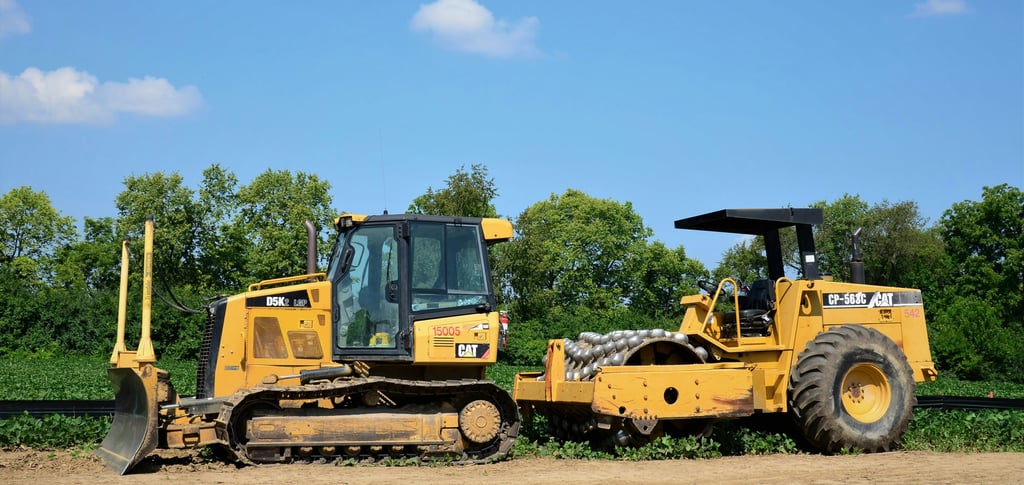
Indonesia's construction sector is undergoing a once-in-a-generation transformation. The new capital Nusantara, a surging urban middle class, mounting environmental regulation, and a national commitment to green infrastructure are all converging at once. Yet the machinery fleet on most Indonesian construction sites has barely changed in a decade.
The opportunity lies precisely in that gap. The following 10 machine categories sit at the intersection of high structural demand, low current supply, and minimal competitive pressure from established players. For distributors, investors, and contractors willing to move early, these niches offer a level of commercial advantage that mainstream equipment simply cannot match.
Green Transition Urban Works
1. Battery-Powered Excavators
Jakarta's air quality crisis has become a political lightning rod, and Indonesian city governments are beginning to impose emissions restrictions on construction sites operating near schools, hospitals, and dense residential zones. Battery-powered excavators — from 1-tonne micro units to 20-tonne mid-class machines — eliminate diesel exhaust, dramatically reduce noise, and cut long-term fuel costs by up to 70%.
The technology has matured rapidly in Japan, Germany, and Scandinavia. Brands like Volvo, Komatsu, and Doosan now offer production-ready electric excavators with full-day operating ranges. In Indonesia, electric construction machinery sits at virtually zero market penetration. The combination of regulatory tailwind, fuel cost pressure, and ESG requirements from international project financiers makes this the single most straightforward green niche to enter right now.
Market Maturity: Early
Demand Driver: Emissions Rules
Competition: Very Low
Automation Road & Civil Works
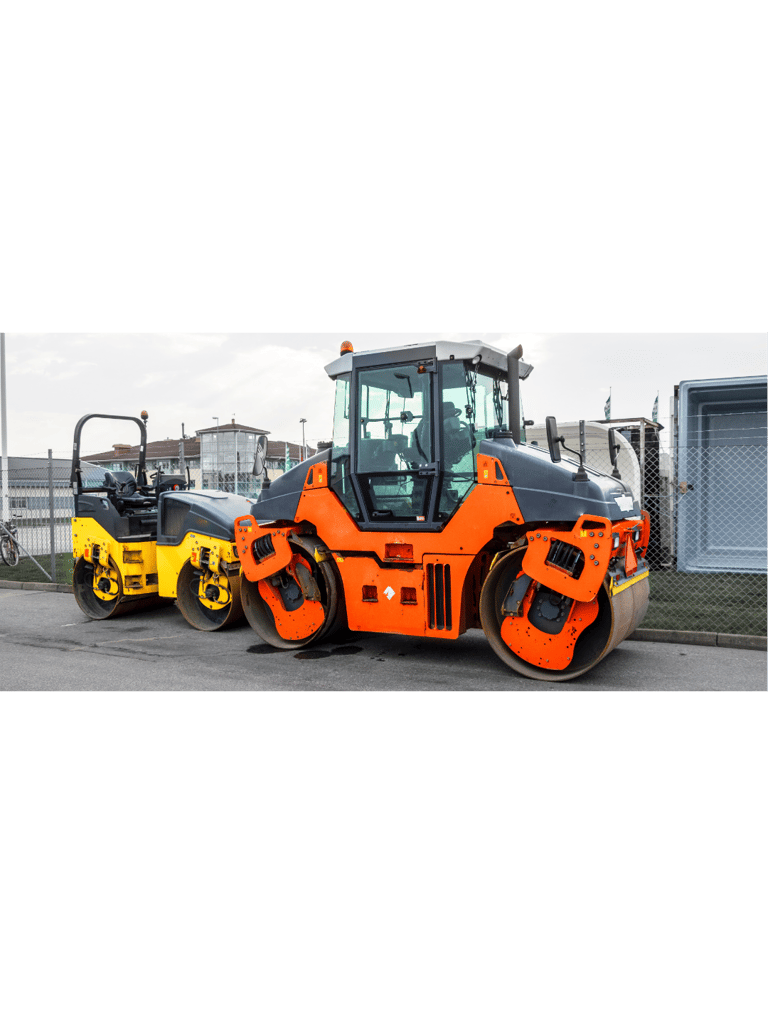
2. Autonomous Compactors
Road compaction is one of the most labour-intensive and quality-critical phases of any civil project. Inconsistent compaction leads to premature road failure — a chronic problem in Indonesia where tropical rains expose substandard work within months. Autonomous compactors use GPS guidance, vibration sensors, and machine-learning algorithms to deliver perfectly consistent compaction across every pass, automatically logging compliance data for project owners.
Caterpillar, Dynapac, and Hamm have all launched autonomous or semi-autonomous compactor lines. In Indonesia, these systems are essentially unknown outside of a handful of Japanese-funded toll road projects. The national toll road expansion programme — covering thousands of kilometres through 2030 — and the IKN infrastructure build represent the perfect entry environment for autonomous compaction technology.
Market Maturity: Emerging
Demand Driver: Toll Road Boom
Competition: Minimal
Environmental Coastal Construction
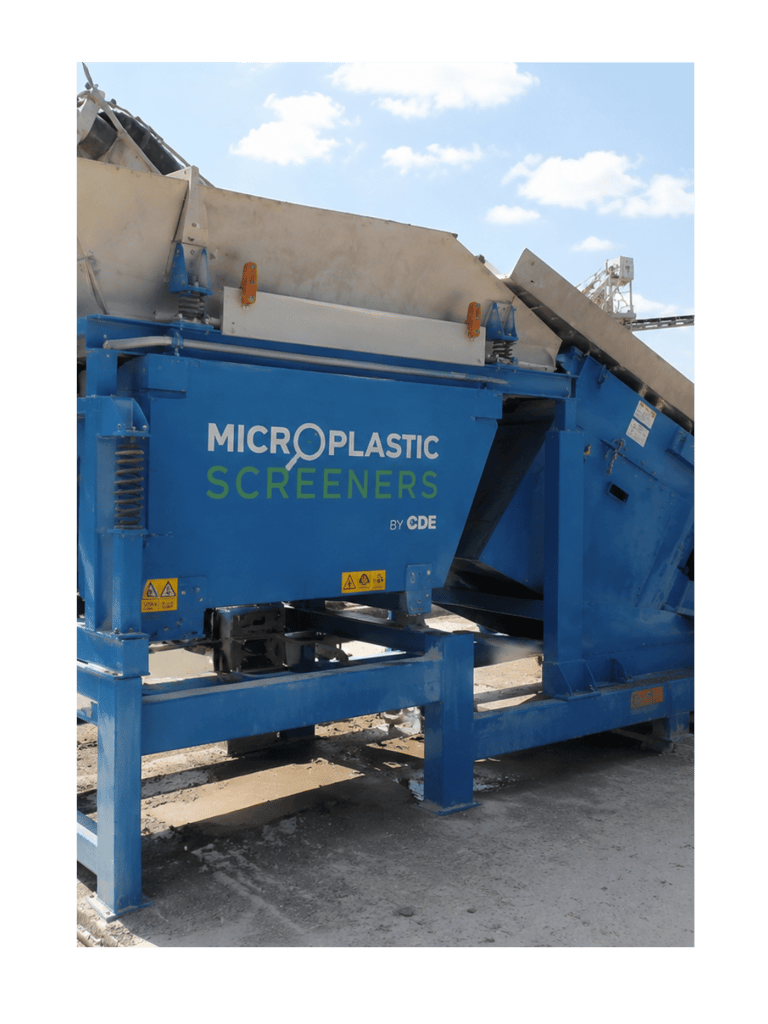
3. Microplastic Screeners for Sand
Indonesia is the world's second-largest contributor to marine plastic pollution, and its rivers and coastal sands carry significant microplastic contamination. As construction sand is sourced from rivers and beaches, microplastics enter concrete mixes — compromising structural integrity and creating long-term environmental liability for project owners. Indonesian environmental regulations on construction materials are tightening rapidly.
Microplastic screening systems — inline sand washing and electrostatic separation units that remove particles down to 5 microns — are already mandatory on major infrastructure projects in the Netherlands and South Korea. In Indonesia, this technology is entirely absent from the market. As international project standards and ESG due diligence requirements filter down from foreign investors and multilateral lenders, demand for compliant sand treatment will emerge fast. Early movers can define the standard.
Market Maturity: Pre-commercial
Demand Driver: ESG & Regulation
Competition: Near Zero
Remote Sites Renewable Energy
4. Solar-Powered Generators for Remote Sites
Construction projects across Kalimantan, Papua, Sulawesi, and the outer islands routinely operate hundreds of kilometres from any grid connection. Diesel fuel logistics in these environments are expensive, unreliable, and increasingly scrutinised by environmental regulators and international project lenders. A remote site consuming 500 litres of diesel per day faces both significant cost exposure and supply chain vulnerability.
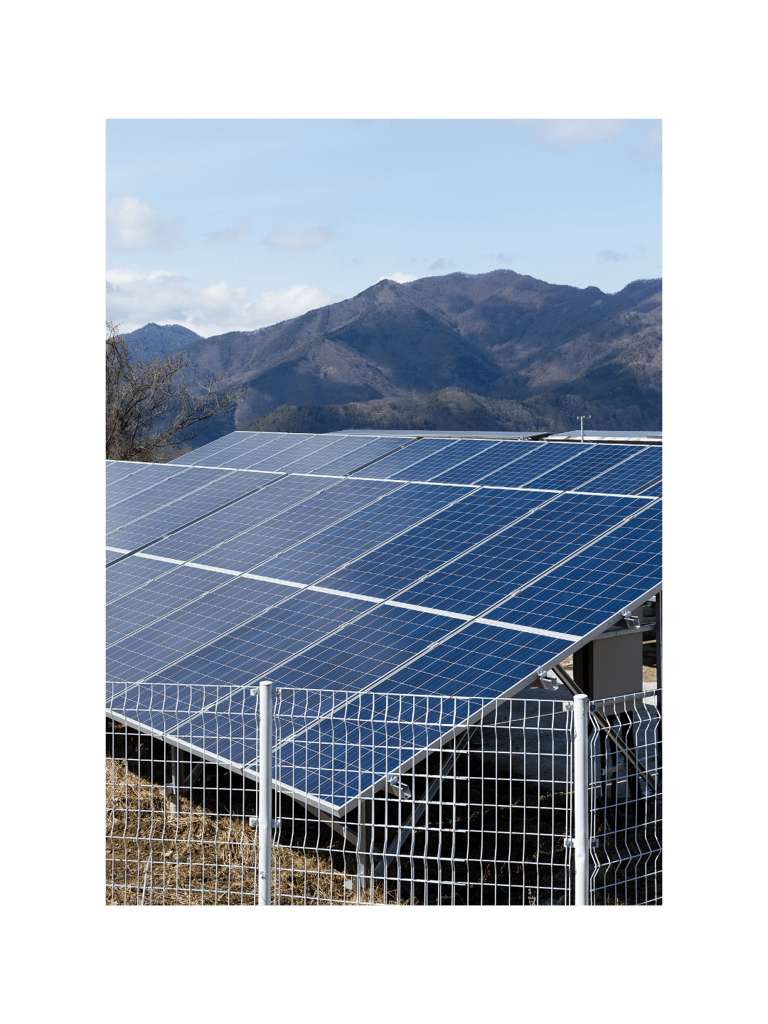
Hybrid solar-battery generator systems — containerised units combining solar panels, lithium storage, and a diesel backup — can reduce fuel consumption on remote sites by 60–80%. Companies like Atlas Copco, Aggreko, and Inmesol offer production-ready units in this class. In Indonesia, they remain a rarity outside of mining sector applications. The IKN construction programme, Trans-Papua Highway, and island infrastructure builds create a pipeline of exactly the remote, high-logistics-cost sites where this technology pays for itself rapidly.
Market Maturity: Ready
Demand Drive: Remote Logistics
Competition: Low
Frontier Technology Mining & Geotechnical
5. Drone-Assisted Drilling Rigs
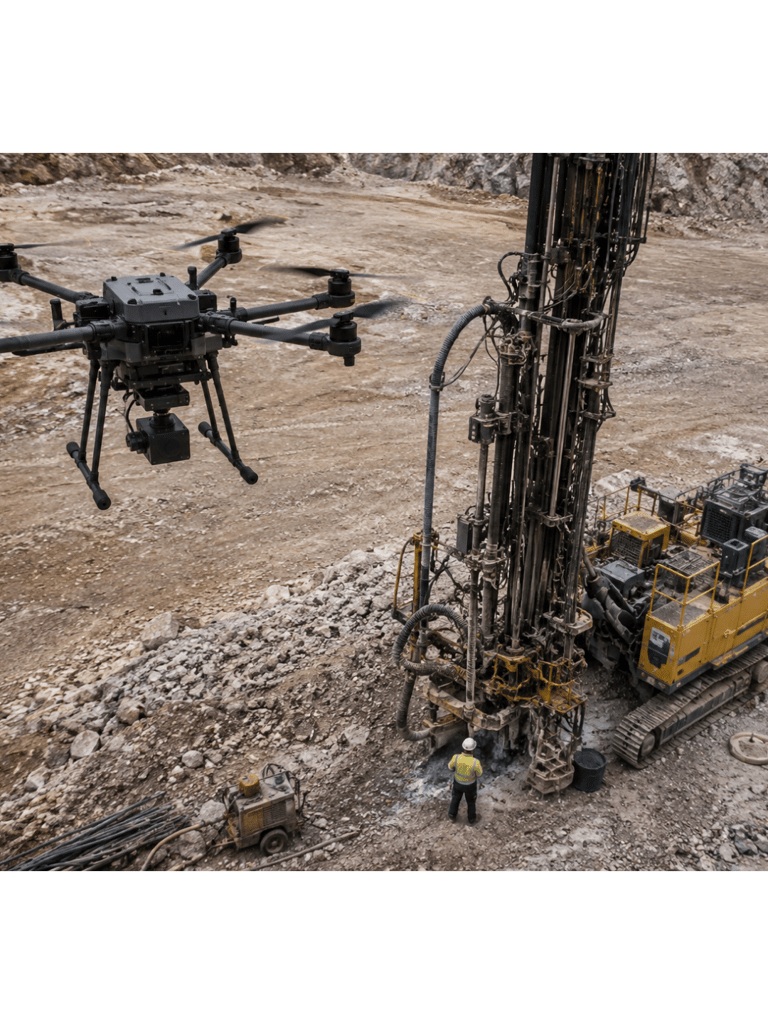
Geotechnical drilling for pile foundations, soil investigation, and mineral exploration traditionally requires extensive manual site preparation, accurate positioning, and safety exclusion zones around rotating equipment. Drone-assisted drilling systems use UAV-mounted LiDAR survey data to generate precise drill-point coordinates, feed them directly to GPS-guided drill rigs, and monitor drilling progress in real time — dramatically reducing setup time, improving accuracy, and eliminating the need for workers to operate in high-risk proximity to active drill heads.
Indonesia's topographically challenging terrain — steep volcanic slopes, dense jungle, coastal mudflats — makes conventional site survey and drill positioning both slow and dangerous. Drone-assisted drilling is already being piloted in geotechnical work in Australia and Japan. In Indonesia, it remains entirely unknown outside of experimental academic projects. The massive foundation engineering requirements of IKN alone — built on soft Kalimantan soils — could drive rapid adoption.
Market Maturity: Emerging
Demand Driver: Geotechnical Boom
Competition: Near Zero
Low Carbon Mass Concrete Works
6. Low-Carbon Concrete Pumps
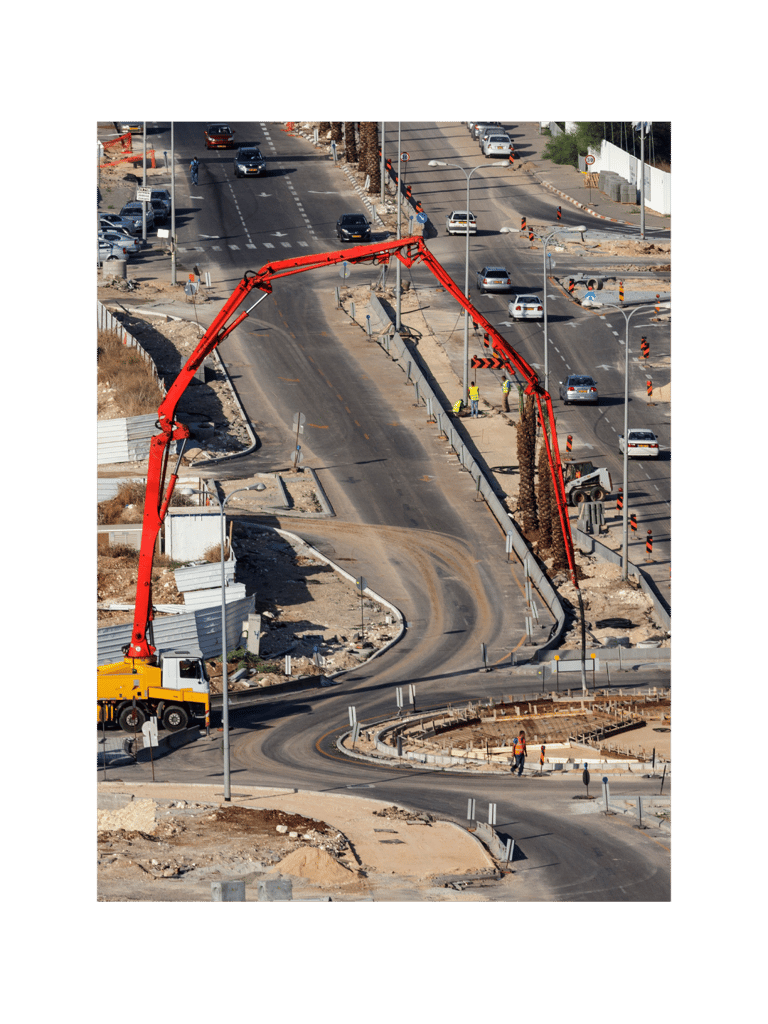
Concrete production accounts for approximately 8% of global CO₂ emissions, and Indonesia's massive infrastructure build is a significant contributor. Low-carbon concrete pumps are engineered to handle alternative binder mixes — geopolymer concrete, fly-ash blends, and alkali-activated materials — that reduce embodied carbon by 40–70% compared to ordinary Portland cement concrete. These mixes behave differently from standard concrete and require adapted pump geometry, pressure management, and inline monitoring systems.
As Indonesia's large infrastructure projects increasingly attract financing from green bond frameworks, the Asian Development Bank, and international ESG-conscious investors, embodied carbon measurement and reduction are becoming contractual requirements rather than voluntary gestures. The concrete supply chain is beginning to shift. Equipment that can handle the new materials — efficiently and without blockage — will be in demand. No specialist low-carbon concrete pump distributor currently operates in Indonesia.
Market Maturity: Early
Demand Driver: Green Finance
Competition: Very Low
AI-Enabled Logistics & Lifting
7. AI-Enabled Telehandlers
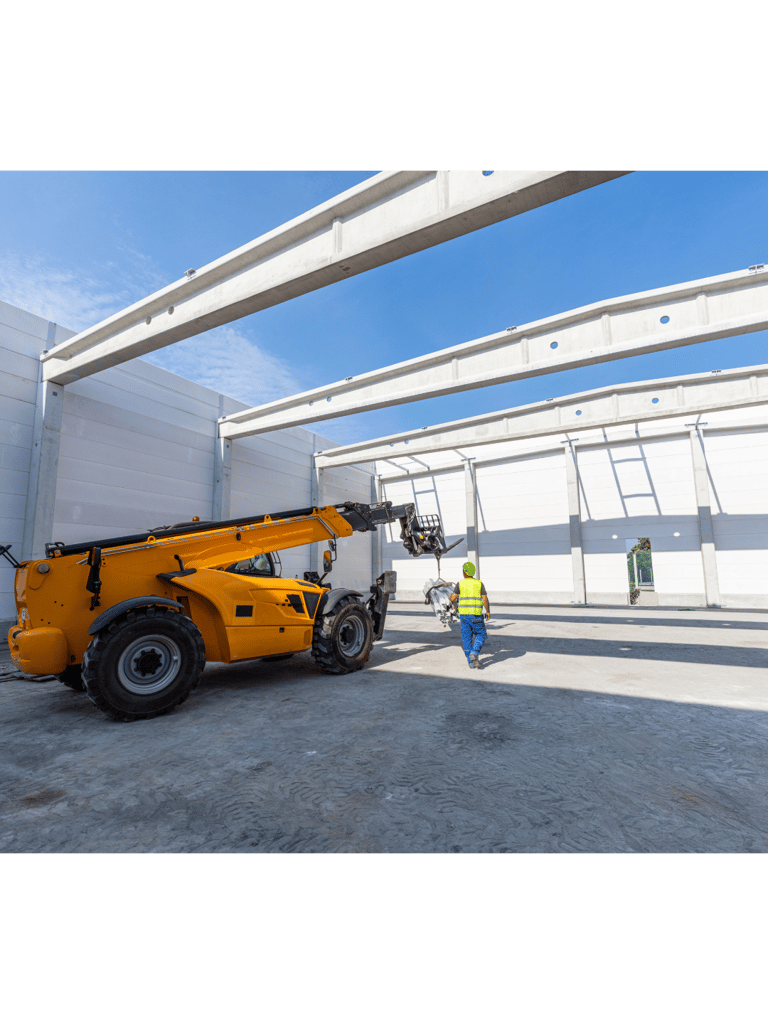
Telehandlers — telescopic forklifts capable of reaching heights of 18–30 metres — are already common on Indonesian construction sites. But the new generation of AI-enabled telehandlers adds a layer of intelligence that transforms them into active site management tools. Onboard systems continuously calculate load stability, optimise boom extension geometry, detect ground bearing capacity changes via pressure sensors, and alert operators to tip-over risk before it manifests. Some models integrate with site management platforms to log every lift, building a digital compliance record.
Indonesia's rapid high-rise construction boom — driven by Jakarta's densification, Surabaya's commercial expansion, and the IKN government district build — creates exactly the environment where AI-enabled lifting becomes commercially essential. Accidents involving telehandlers on Indonesian sites are a documented problem. Contractors facing international safety audits and insurance requirements will increasingly specify AI-enabled equipment. This is a category where the technology premium is easy to justify and the competition is virtually absent.
Market Maturity: Ready
Demand Driver: High-Rise Boom
Competition: Low
Circular Economy Road Construction
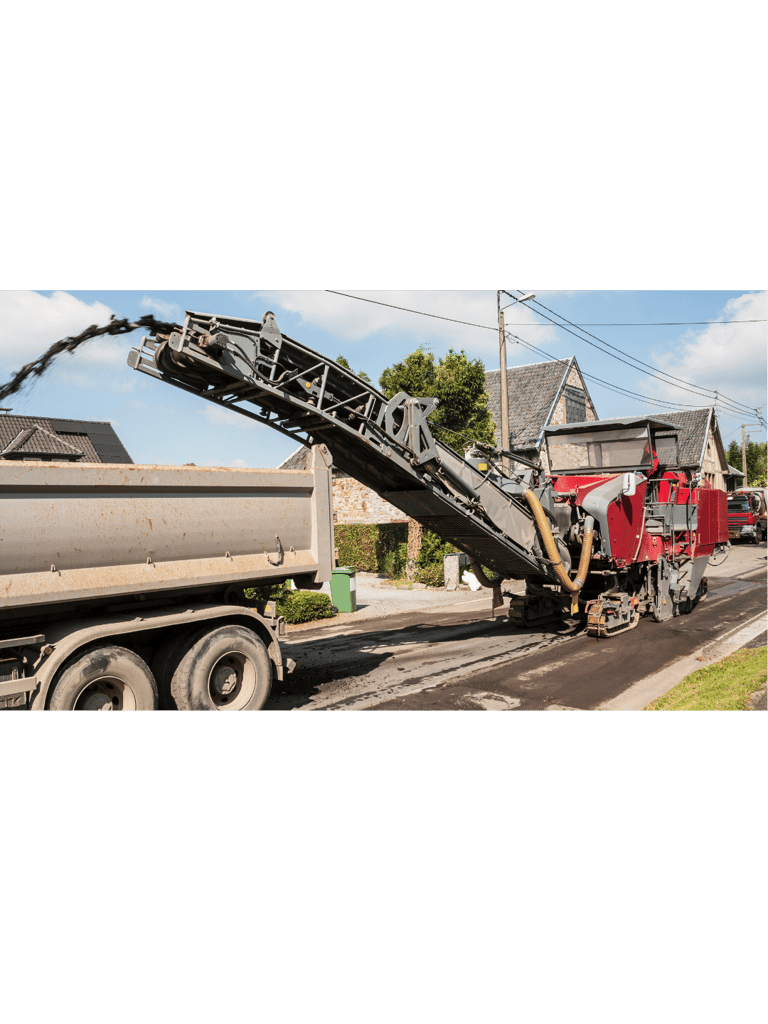
8. Asphalt Recycling Milling Machines
Recycling-Fräsen · Cold In-Place Asphalt Recycling
Indonesia rehabilitates thousands of kilometres of road surface every year. Under the current model, deteriorated asphalt is milled off, trucked to landfill, and replaced with virgin bitumen and aggregate — a process that is expensive, slow, and environmentally wasteful. Cold in-place recycling (CIR) milling machines instead pulverise and re-stabilise the existing asphalt layer on-site, adding recycled binders and compacting the result into a new base course without any material leaving the road.
CIR reduces road rehabilitation costs by 30–50%, eliminates aggregate transport logistics, and cuts embodied carbon dramatically. It is the standard rehabilitation method in Germany, Australia, and the United States. In Indonesia, it remains essentially unknown. The Ministry of Public Works' accelerating road rehabilitation budget — combined with growing pressure from the World Bank and ADB to demonstrate sustainability in infrastructure spending — creates the ideal conditions for CIR technology to find its first significant Indonesian customers within the next two years.
Market Maturity: Ready
Demand Driver: Road Rehab Budget
Competition: Very Low
Disaster Resilience Port & Coastal
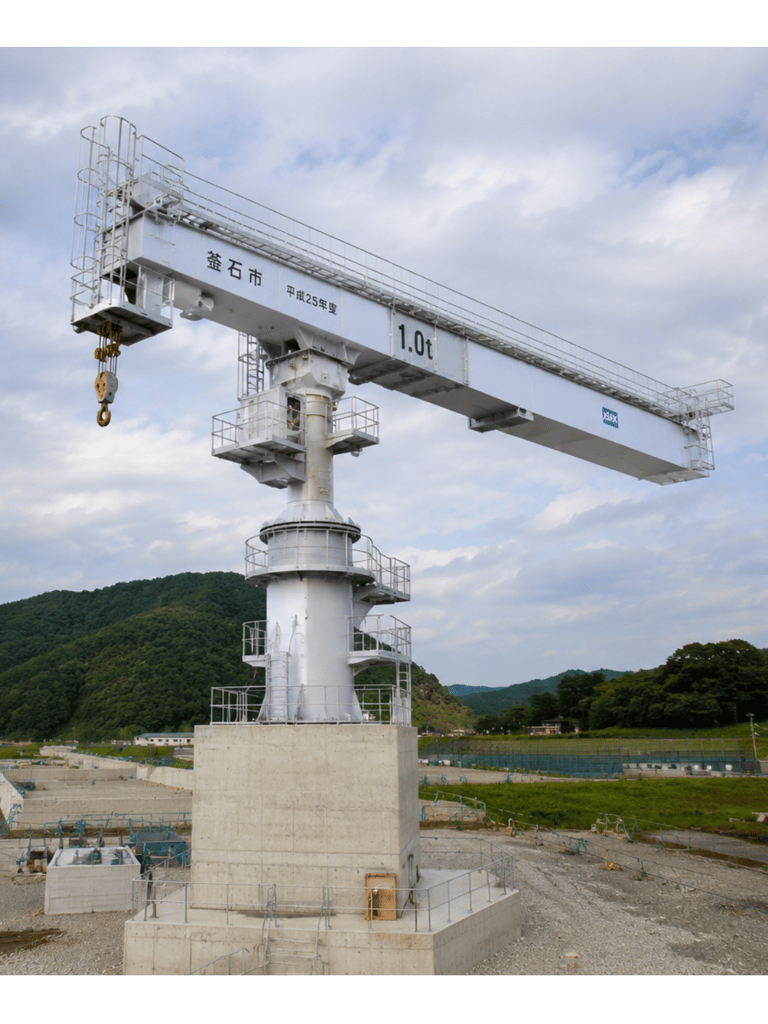
9. Tsunami-Resistant Cranes
Indonesia sits on the Pacific Ring of Fire and is one of the most seismically active nations on earth. The 2004 Indian Ocean tsunami, the 2018 Palu earthquake and tsunami, and dozens of smaller events have repeatedly demonstrated the catastrophic vulnerability of port and coastal infrastructure. Yet the construction of port cranes, ship-to-shore gantries, and heavy lifting equipment in Indonesia still follows standard structural specifications that do not account for tsunamigenic seismic loads.
Tsunami-resistant crane systems — featuring seismic isolation bases, rapid elevation mechanisms to raise machinery above inundation level, and structural reinforcement to withstand wave impact loading — have been developed by Japanese manufacturers following the 2011 Tōhoku disaster. Indonesian port operators, particularly at exposed coastal locations such as Aceh, Palu, and the Sunda Strait corridor, face enormous insurance and liability exposure from inadequately rated equipment. As risk awareness grows and international port operators bring global safety standards, demand for seismic-rated lifting equipment will follow. This is a genuinely uncrowded niche with life-safety stakes.
Market Maturity: Niche
Demand Driver: Seismic Risk
Competition: Near Zero
Disaster Resilience Advanced Engineering
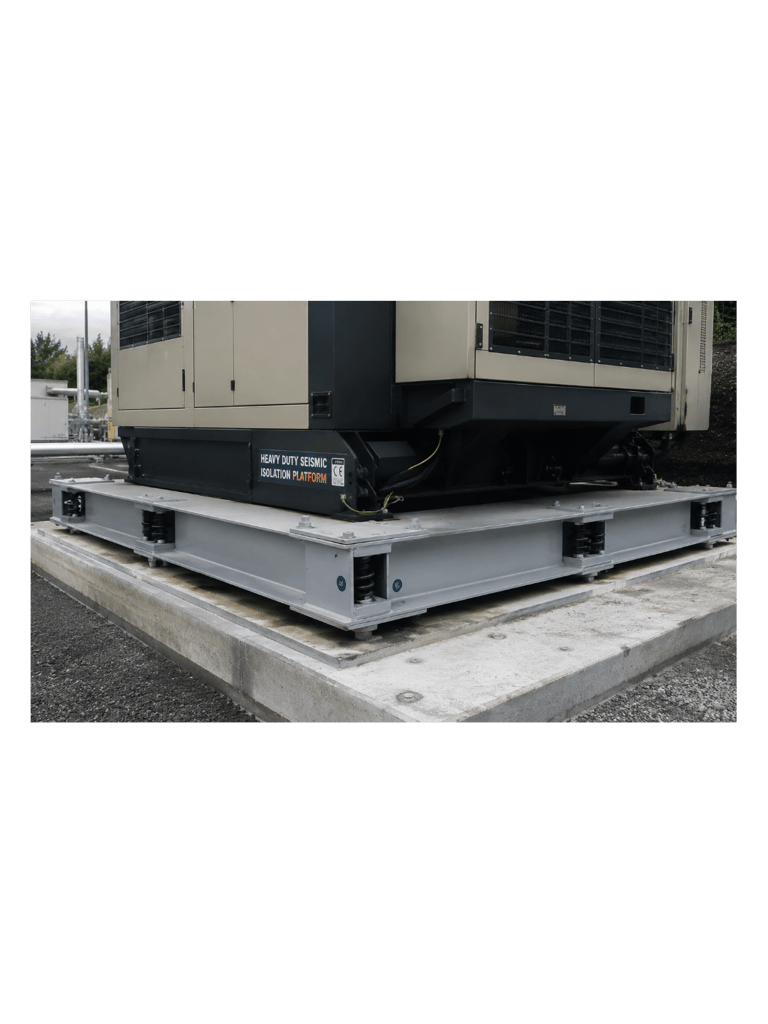
10. Seismic Isolation Platforms for Construction Equipment
Seismische Isolationsplattformen · Earthquake-Proof Machinery Bases
Beyond crane systems, an entire category of precision construction equipment — tower cranes, concrete batching plants, prefabrication facilities, and modular site workshops — is routinely installed on Indonesian sites without any seismic isolation provisions. When an earthquake strikes during active construction, unanchored or conventionally anchored heavy equipment becomes a catastrophic hazard: toppling, sliding, or transmitting destructive vibration into partially completed structures.
Seismic isolation platforms — modular base systems using lead-rubber bearings, friction pendulum systems, or viscous dampers — decouple heavy machinery from ground motion, allowing equipment to remain operational (or at least intact) during moderate seismic events. They are standard specification for critical facilities in Japan, New Zealand, and California. In Indonesia, where major cities including Jakarta, Bandung, Padang, and Manado sit in high-seismic-hazard zones, this technology is almost entirely absent from construction site practice. New building codes under development by the Indonesian Ministry of Public Works are expected to address this gap — creating a regulatory driver that will accelerate demand sharply from 2026 onward.
Market Maturity: Pre-market
Demand Driver: New Building Codes
Competition: Near Zero
Niche Today. Standard Tomorrow.
Every machine on this list is, by definition, a niche product today. But niche is not permanent. Battery-powered passenger vehicles were a niche product in 2012. Cold in-place asphalt recycling was a niche process in Germany in 1995. Autonomous driving systems were a research curiosity in 2010.
The question for anyone operating in Indonesia's construction equipment market is not whether these categories will grow — they will, because the structural drivers are too powerful to resist. The question is whether you are in position when the curve steepens.
Each of the 10 categories above has a credible path from near-zero adoption to meaningful market share within the 2026–2030 window. The companies that establish distribution, service infrastructure, customer relationships, and reference projects now will find themselves with durable competitive advantages that late movers will struggle to overcome regardless of their resources.
The niche window is open. It will not stay open indefinitely.
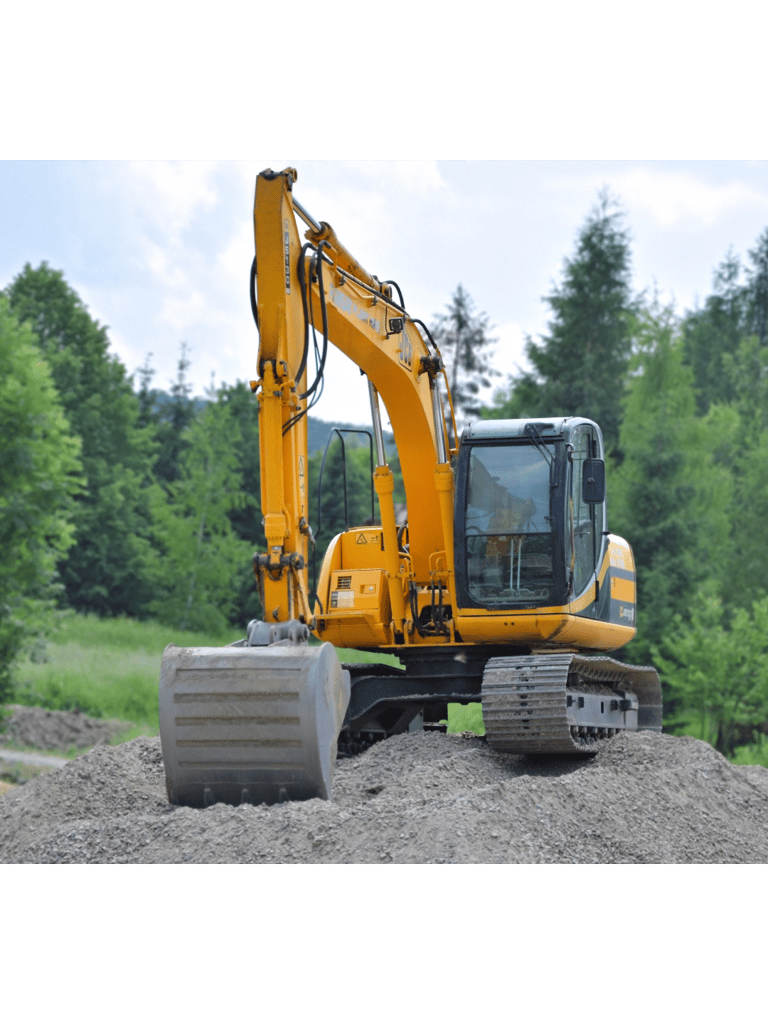
We are currently finalizing our Construction Machinery Catalogue Indonesia 2026, a carefully curated collection of high-potential equipment tailored to the Indonesian construction market.
This catalogue will be presented both online and offline to a selected network of professional dealers, contractors, construction companies, infrastructure developers, and relevant government authorities. It is designed as a practical decision-making tool that helps buyers quickly identify the right equipment for earthmoving, road construction, building projects, and material handling.
We offer attractive slot placements as well as package discounts for bundled product offerings.
The catalogue is currently being compiled and will be fully available offline after the upcoming industry exhibitions in Southeast Asia (early June 2026). The next edition is scheduled for December 2026, aligned with major government and private sector procurement cycles. Going forward, the catalogue will be published three times per year to stay aligned with project timelines and tender cycles.
Would you like to secure a slot or receive the catalogue as soon as it is released?
Contact us — we would be pleased to offer you the version that best fits your needs (full catalogue access, selected product packages, or dealer cooperation opportunities).
Discover more through this link.
Company
© 2026. All rights reserved.
Strategic Thinking. Practical Results.
Resources
Contact
Denpasar, Bali, Indonesia






PT. SEANOHA BUSINESS PARTNER
Registered in Indonesia
Business Registration (NIB): 1905260020924