
The 10 Core Construction Machines Powering Indonesia's Boom
Indonesia's infrastructure decade is here. These are the ten workhorse machine categories that will move the most earth, pour the most concrete, and generate the most commercial opportunity between now and 2030.
CONSTRUCTION MACHINERY
Agatha Nova Damayanti
5/6/20269 min read
Indonesia is in the middle of the largest sustained infrastructure investment programme in its history. A new capital city, three metro systems under simultaneous construction, 2,800 kilometres of new toll roads, and dozens of port expansions are all running in parallel. The demand for core construction machinery — the proven, reliable workhorses that every major project requires — has never been greater.
Unlike niche or emerging categories, the ten machines profiled here are not bets on technology adoption curves or regulatory shifts. They are the backbone of every construction project on earth, and Indonesia needs significantly more of them, deployed more efficiently, serviced more reliably, and financed more accessibly than is currently the case. That gap is the commercial story of the next five years.
Earthmoving Highest Demand IKN · Roads · Ports All Project Types
1. Excavators
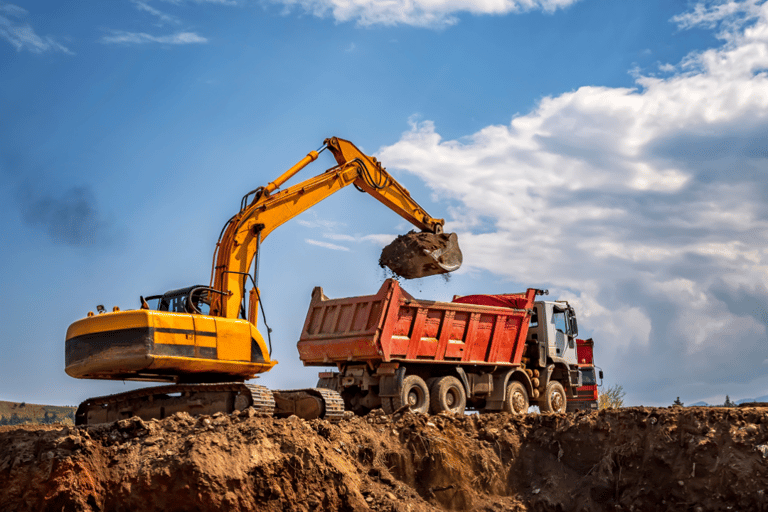
The excavator is the single most essential machine on any Indonesian construction site — and demand is running at levels the market has rarely seen. The new capital Nusantara alone requires an estimated 8,000–12,000 machine-months of excavator deployment for site clearing, foundation excavation, utility trenching, and drainage works. Simultaneously, toll road construction across Sumatra, Java, and Kalimantan is generating sustained demand for 20–50 tonne class machines that will persist well into the decade.
The Indonesian excavator market is dominated by Japanese OEMs — Komatsu, Hitachi, and Kobelco hold commanding positions — but fleet shortages are creating genuine opportunities for second-tier brands with strong service networks. The aftermarket opportunity is equally significant: Indonesia's existing fleet is ageing, spare parts demand is chronic, and service capacity in Tier 2 and Tier 3 cities remains severely underserved. Companies that can solve the service equation, not just the machine sale, will build the most durable business.
Market Position: #1
Project Coverage: All Sectors
Demand Trend: Surging
Loading High Demand Ports · Mining · Urban
2. Wheel Loaders
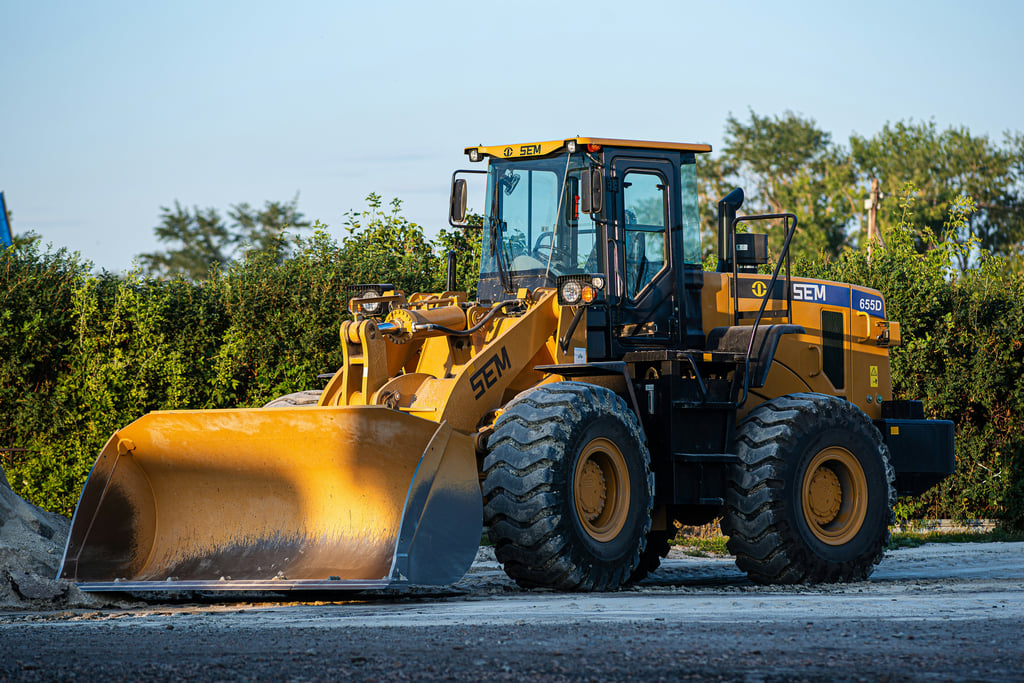
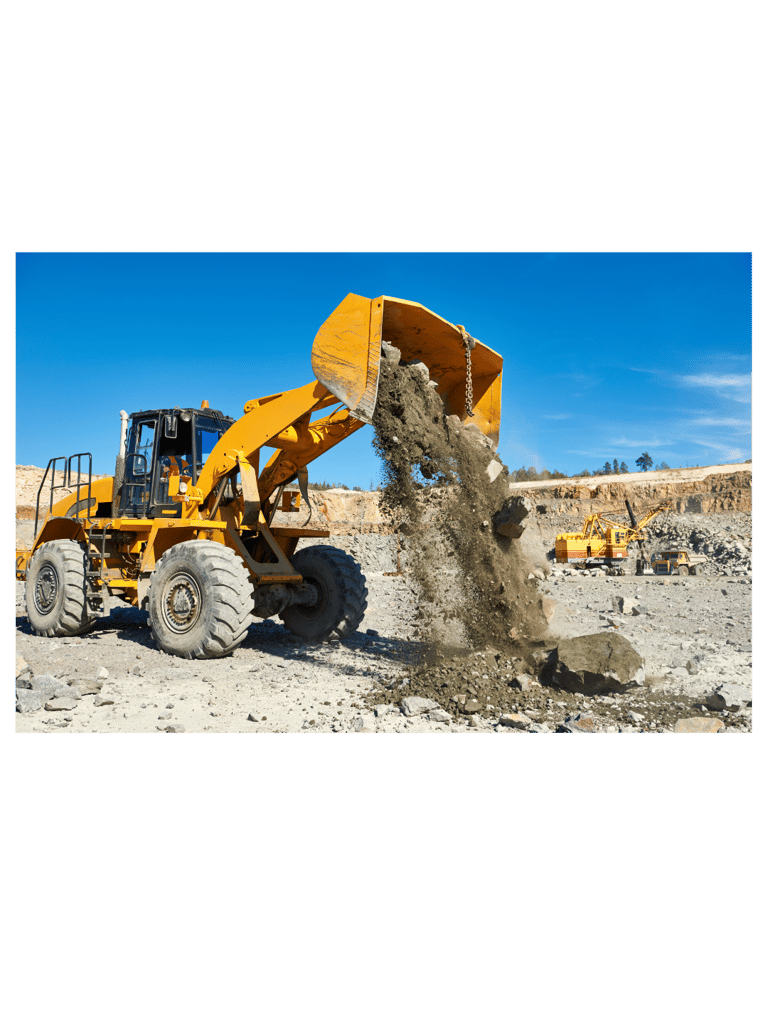
Wheel loaders occupy every stage of the construction and materials supply chain in Indonesia — from aggregate quarry face loading, to port bulk cargo handling, to on-site material transfer at every major project. Their versatility across attachment types (buckets, forks, grapples, sweepers) makes them a genuine multi-purpose asset, and their relatively low maintenance complexity compared to tracked machines makes them attractive to mid-tier contractors.
The Indonesian market is currently seeing strong demand pressure in the 3–5 tonne payload class, driven by the simultaneous ramp-up of quarrying operations to supply the national road programme. Chinese OEMs — XCMG, LiuGong, and SANY — have made significant inroads against the Japanese incumbents on price, but aftersales quality gaps remain a commercial vulnerability. Distributors that can offer genuine total cost of ownership transparency, not just unit price, are winning the larger fleet tenders.
Primary Sector: Ports & Quarries
Key Class: 3–5t Payload
Demand Trend: Strong
Lifting High Demand High-Rise · Bridges · Ports Specialist Segment
3. Cranes
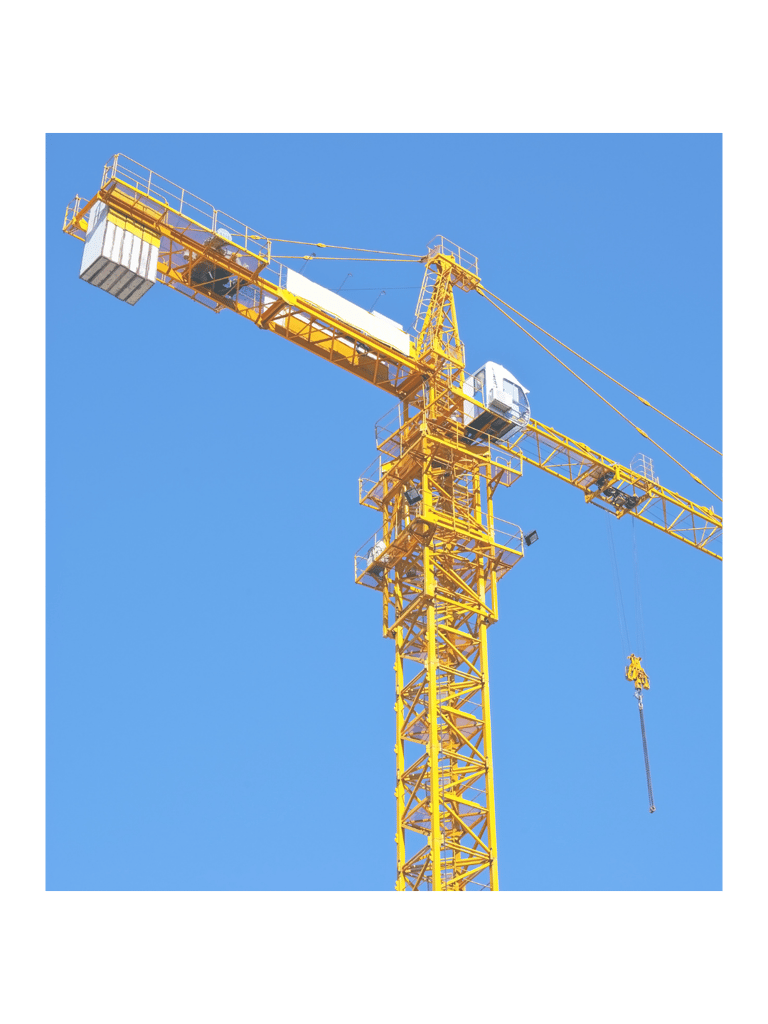
Indonesia's high-rise construction boom — concentrated in Jakarta's golden triangle, Surabaya's commercial district, and the IKN government precinct — is generating sustained demand for tower cranes that shows no sign of abating through 2028. The bridge construction programme on the Trans-Sumatra and Trans-Papua highways adds a parallel requirement for large-capacity mobile cranes in the 200–500 tonne class, while port expansion projects at Patimban and Makassar New Port require heavy-lift cranes for quayside equipment installation.
The Indonesian crane market faces a persistent structural challenge: qualified operators are in chronic short supply, and the regulatory framework for crane licensing and inspection is inconsistently enforced outside Java. This creates both a safety problem and a commercial opportunity — training academies, operator certification programmes, and inspection services attached to crane distributors represent a high-margin service revenue stream that most competitors have not yet developed.
Fastest Segment: Tower Cranes
Operator Gap: Critical
Demand Trend: Strong
Haulage High Volume Roads · Mining · IKN
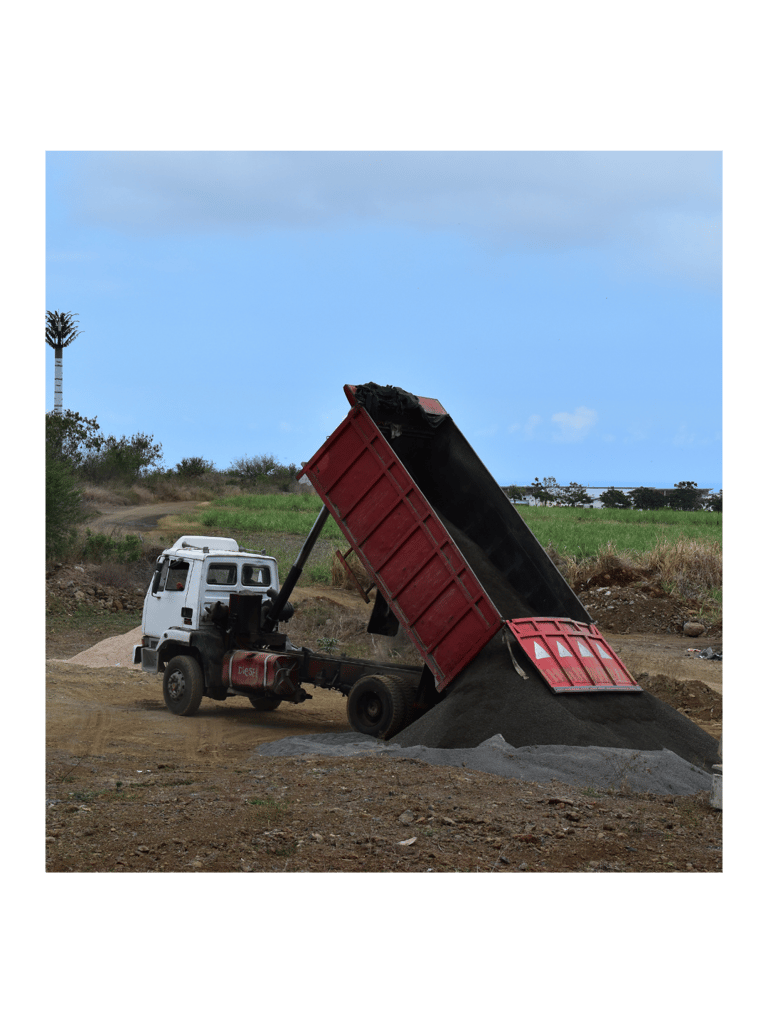
4. Dump Trucks
Every cubic metre of earth moved by an excavator at IKN, every tonne of aggregate quarried for the Trans-Sumatra Highway, and every load of construction spoil removed from Jakarta's underground MRT stations has to go somewhere — and dump trucks carry it there. The sheer volume of material movement that Indonesia's current construction programme requires makes dump trucks among the highest-utilisation assets in the entire equipment fleet.
The Indonesian dump truck market spans a wide range from 10-tonne articulated units for off-road site work to 40-tonne rigid haulers in quarry applications. Fleet ownership is fragmented among thousands of small operators, creating a rental and leasing market that is significantly underdeveloped relative to the demand. Structured fleet financing products — particularly lease-to-own programmes targeted at owner-operators — represent an underserved commercial opportunity alongside the machine sale itself.
Fleet Structure: Fragmented
Key Gap: Fleet Finance
Demand Trend: Very High
Compaction Roads · Foundations · Runways High Utilisation
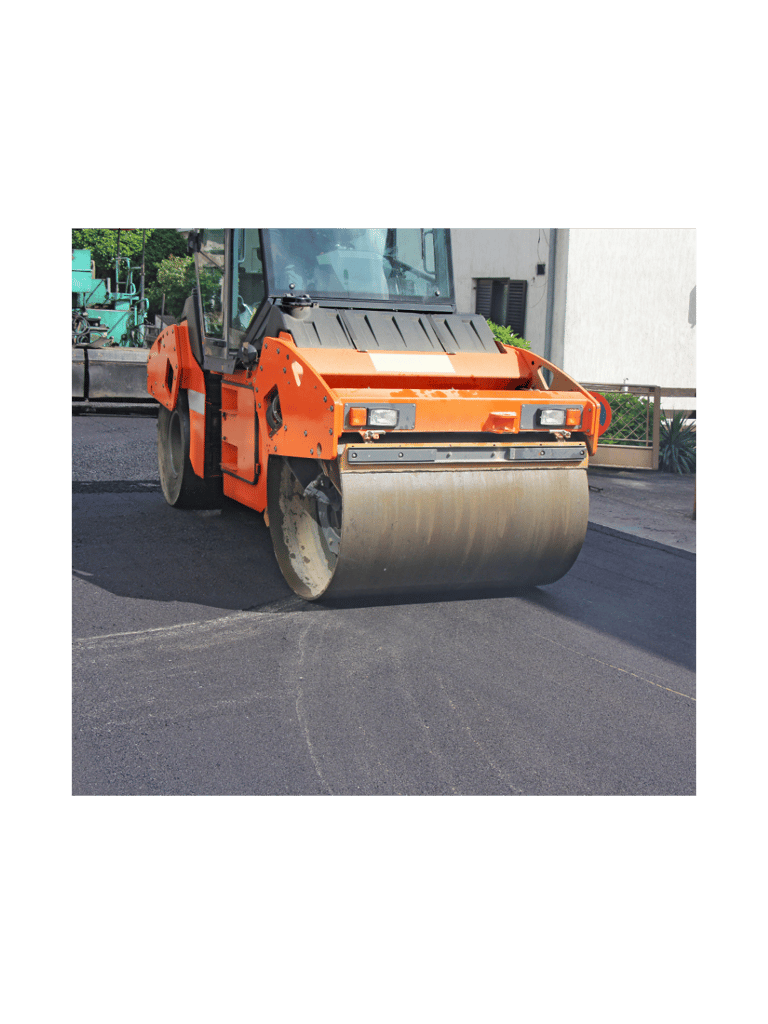
5. Compactors
Road compaction quality is the single greatest determinant of pavement service life — and Indonesia has a chronic road quality problem that costs the national economy billions of dollars annually in vehicle operating costs, accident rates, and lost productivity. The root cause is not simply material quality; it is compaction consistency. Under-compacted layers, inadequate pass counts, and wrong compaction timing relative to moisture content are endemic across Indonesian road projects.
The compactor fleet serves this need across three distinct segments: soil compactors for subgrade preparation, asphalt rollers for wearing course completion, and plate compactors for confined utility trench backfill. Demand is consistent across all three, driven by the national road rehabilitation budget (which the Ministry of Public Works has increased year-on-year since 2021) and the new toll road construction programme. The aftermarket — drums, bearings, vibration systems — is a particularly high-margin segment that rewards distributors with strong technical service capacity.
Segments: Soil Asphalt Plate
Key Driver: Road Rehab Budget
Aftermarket: High Margin
Specialist Segment Piling · Mining · Geotechnical
6. Drilling Rigs
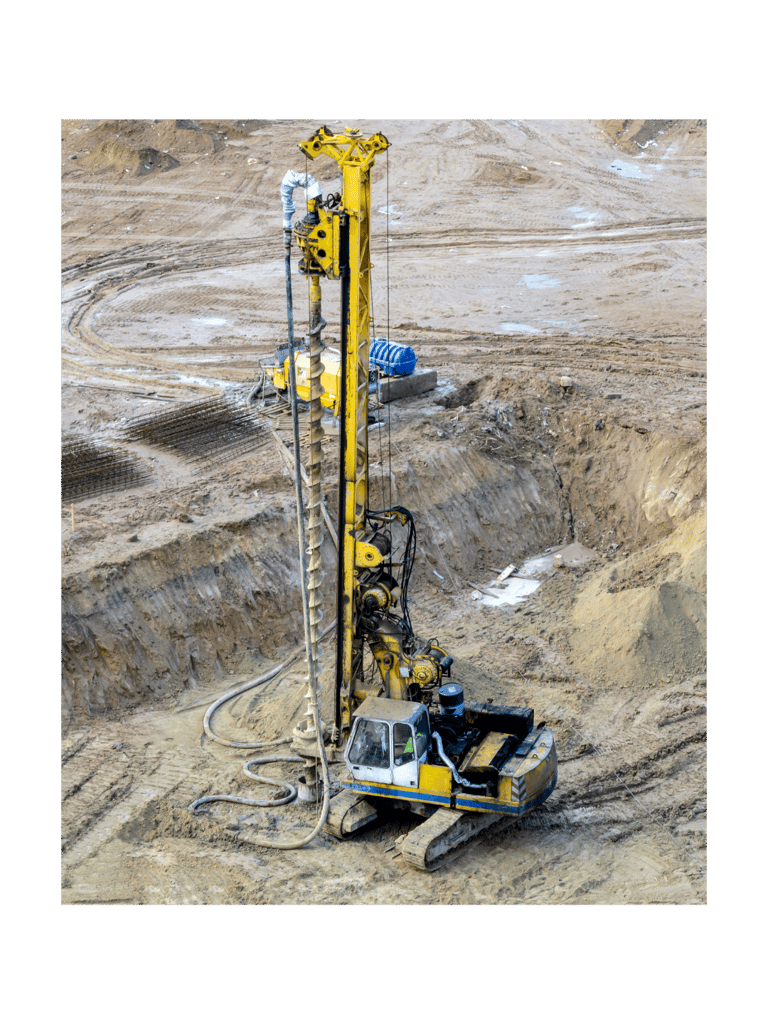
Indonesia's construction programme requires drilling at every scale: rotary percussion rigs for micropile installation in soft Jakarta soils, hydraulic crawlers for the mass piling programmes at IKN, water well rigs for the thousands of rural water supply projects under the national water security programme, and reverse circulation rigs for geotechnical investigation along new highway corridors in previously unsurveyed terrain.
The drilling rig market in Indonesia is notably underserved in the mid-range segment — rigs in the 100–300 kNm torque class that bridge the gap between small hydraulic units and full-scale piling equipment. This is the class most relevant to the hundreds of mid-scale bridge foundation and building piling projects that form the bulk of Indonesia's construction activity outside of flagship projects. Distributors that can offer this segment with credible local service support are operating in a near-monopoly position in most regions outside Java.
Gap Segment: 100–300 kNm
Key Application: Piling & Geo
Competition: Thin Outside Java
Road Works Road Rehabilitation High Cycle Volume
7. Milling Machines
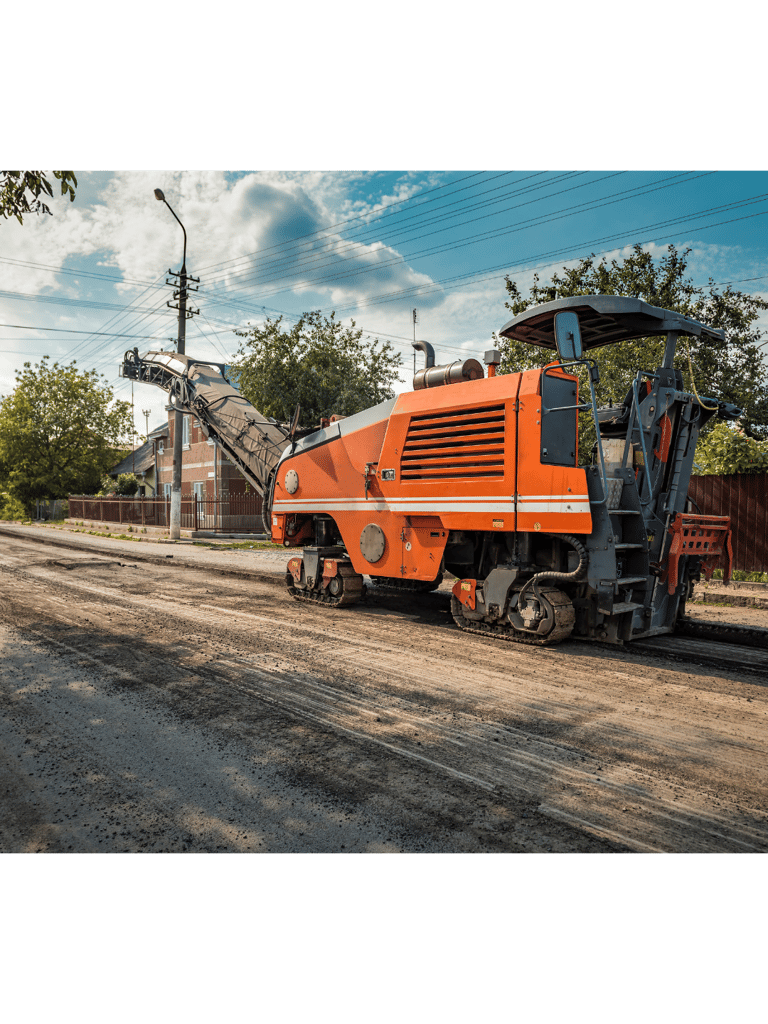
Indonesia rehabilitates thousands of kilometres of road surface every year under the Ministry of Public Works' annual maintenance budget — and every kilometre of road rehabilitation begins with the milling machine. Cold planing equipment removes deteriorated asphalt layers to precise depths, creating a clean and level surface for overlay or recycled base course placement. It is a high-utilisation, non-optional part of the road maintenance process.
The Indonesian milling machine fleet is concentrated among a small number of large state-owned contractors and private road specialists. Penetration in Tier 2 markets — regional contractors working on provincial and district roads — is very low, with hand-patching and rudimentary overlay techniques still common. The national road quality mandate, backed by ADB and World Bank financing requirements that specify proper mill-and-fill rehabilitation methodology, is pushing provincial road agencies to demand proper milling equipment from their contractors for the first time. This is expanding the addressable market significantly.
Primary Application: Road Rehab
Growth Market: Tier 2 Regions
Demand Trend: Growing
Concrete Works High Demand High-Rise · Bridges · Dams
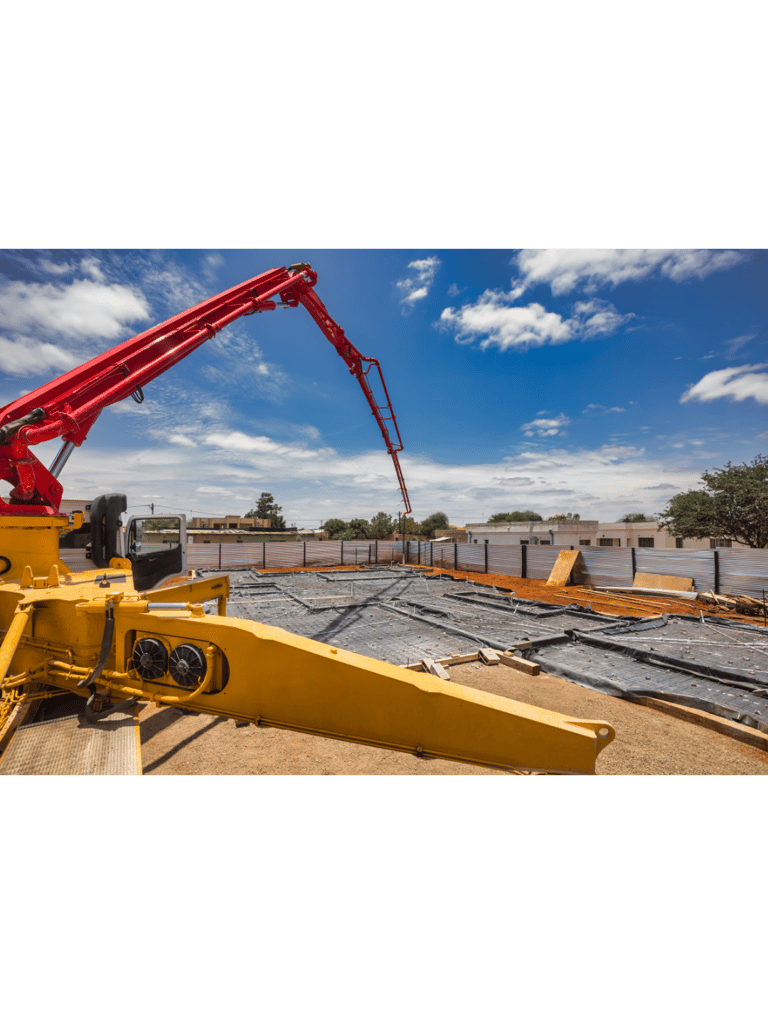
8. Concrete Pumps
Concrete pumps are the circulatory system of any major construction project — the mechanism by which ready-mix concrete moves from truck to formwork at height, distance, or in confined conditions where direct chute placement is impossible. Indonesia's simultaneous high-rise construction boom, bridge programme, and dam rehabilitation agenda are all generating sustained demand for concrete pump capacity across the boom and line pump segments.
The Indonesian ready-mix concrete market has grown at double-digit rates for five consecutive years, and pump capacity has not kept pace. Rental rates for truck-mounted boom pumps (36–52 metre reach class) are at near-record levels in Jakarta, Surabaya, and Makassar. Importantly, the IKN programme is beginning to create demand in Central Kalimantan — a market that had virtually no concrete pump infrastructure before 2022. Distributor-backed rental fleets serving this emerging market are generating exceptional utilisation rates and returns.
Key Class: 36–52m Boom
New Market: Kalimantan
Rental Rates: Near Record
Water Management Dewatering · Flood Control · InfrastructureYear-Round Demand
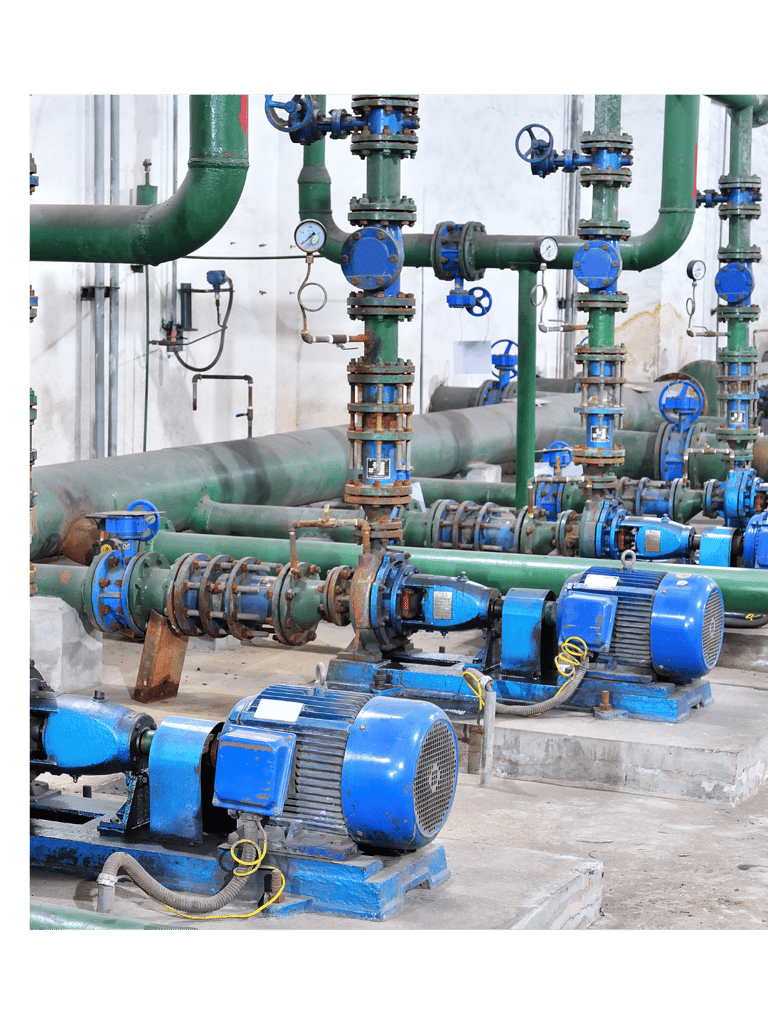
9. Pumps
Indonesia's tropical climate — with a wet season that delivers 2,000–4,000mm of rainfall annually across most of the archipelago — makes dewatering pumps an essential and year-round requirement on virtually every construction site. Foundation excavations below water table, tunnel construction under urban water tables, and coastal reclamation projects all depend on reliable high-capacity dewatering to maintain safe and productive working conditions.
Beyond construction site dewatering, the national flood mitigation programme — driven by Jakarta's chronic inundation problem and the broader vulnerability of coastal cities — is creating sustained demand for large-capacity permanent pump stations. The Ministry of Public Works' National Strategic Projects list includes dozens of flood retention basins, pumping stations, and drainage improvement schemes. Industrial submersible pumps, centrifugal dewatering units, and self-priming trash pumps all feature prominently in the procurement pipelines of these projects, creating an aftermarket and consumables opportunity that persists long after initial equipment installation.
Primary Use: Dewatering
Growth Driver: Flood Programme
Demand Season: Year-Round
Power Supply Remote Sites All Project Types Universal Requirement
10. Generators
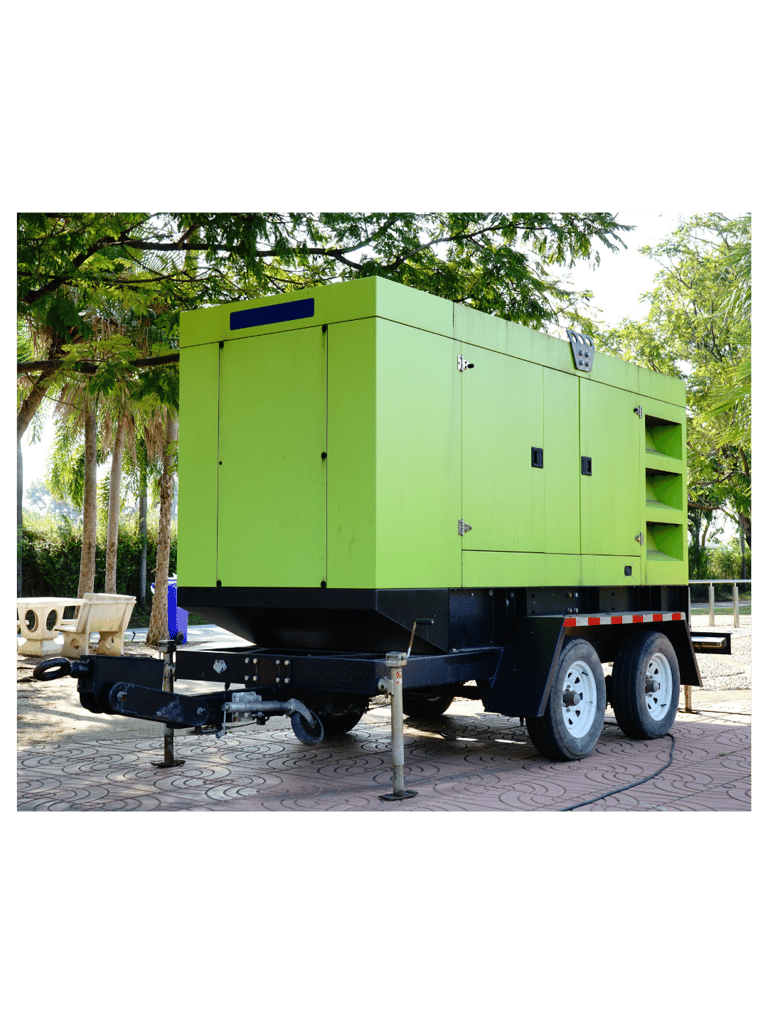
Every construction site in Indonesia requires power — and a significant proportion of sites, particularly outside Java, cannot rely on grid supply that is consistent, stable, or available at the capacity required. Construction generators ranging from 20 kVA site lighting units to 2,000 kVA prime power stations for remote IKN construction camps are a universal, non-optional procurement requirement for every contractor in the country.
The generator market is large, but it is not undifferentiated. The sharpest growth opportunity sits in two specific segments: first, the 200–600 kVA class serving mid-size site camps on remote Kalimantan, Papua, and outer island projects where the IKN downstream supply chain is driving unprecedented off-Java construction activity; and second, hybrid generator systems that integrate diesel prime power with battery storage to reduce fuel burn by 30–40%, addressing the chronic fuel logistics challenge that plagues remote sites. Service and parts availability — not machine specification — is the primary purchasing criterion for experienced Indonesian contractors, making aftersales infrastructure the decisive competitive differentiator in this category.
Growth Segment: 200–600 kVA
Key Differentiator: Aftersales
Demand Trend: Consistent
The Backbone Opportunity
The ten machines profiled here do not carry the novelty premium of frontier technology or the narrative appeal of sustainability innovation. They are the workhorses — unglamorous, essential, and in Indonesia right now, in genuinely short supply relative to the demand being placed on them.
The commercial thesis is straightforward: Indonesia is building at a pace and scale that its current machinery fleet cannot sustainably support. Fleet utilisation across excavators, cranes, and concrete pumps in the primary markets is running at levels that leave virtually no buffer for scheduled maintenance. Lead times on new machine delivery from primary OEMs have extended to 6–18 months for several key categories.
This is not a speculative opportunity. It is a supply gap with a clear demand signal, a creditworthy government-backed project pipeline, and a competitive landscape that rewards service quality, financing creativity, and geographic reach outside the Java corridor that most incumbents have neglected.
The window for establishing market position in these core categories is measured in months, not years. Fleet procurement decisions being made in 2026 will define contractor and distributor relationships for the following decade. The time to be in the room is now.
We are currently finalizing our Construction Machinery Catalogue Indonesia 2026, a carefully curated collection of high-potential equipment tailored to the Indonesian construction market.
This catalogue will be presented both online and offline to a selected network of professional dealers, contractors, construction companies, infrastructure developers, and relevant government authorities. It is designed as a practical decision-making tool that helps buyers quickly identify the right equipment for earthmoving, road construction, building projects, and material handling.
We offer attractive slot placements as well as package discounts for bundled product offerings.
The catalogue is currently being compiled and will be fully available offline after the upcoming industry exhibitions in Southeast Asia (early June 2026). The next edition is scheduled for December 2026, aligned with major government and private sector procurement cycles. Going forward, the catalogue will be published three times per year to stay aligned with project timelines and tender cycles.
Would you like to secure a slot or receive the catalogue as soon as it is released?
Contact us — we would be pleased to offer you the version that best fits your needs (full catalogue access, selected product packages, or dealer cooperation opportunities).
Discover more through this link.
Company
© 2026. All rights reserved.
Strategic Thinking. Practical Results.
Resources
Contact
Denpasar, Bali, Indonesia






PT. SEANOHA BUSINESS PARTNER
Registered in Indonesia
Business Registration (NIB): 1905260020924