
Indonesia’s Rice Cultivation Machinery Market 2026: Tackling the Largest Area and Highest Labour Shortage
Rice is the backbone of Indonesia’s agriculture — but labour shortages and rising costs are pushing the sector toward rapid mechanization. In this blog post, explore how modern machinery is transforming rice cultivation across more than 13 million hectares of paddy fields. From power tillers and crawler tractors to IoT irrigation systems and mobile dryers, discover the key technologies addressing critical challenges in planting, harvesting, and post-harvest processing. Learn which market drivers are accelerating adoption and how manufacturers can tap into one of the most essential and resilient segments of Indonesia’s agricultural machinery market in 2026.
AGRICULTURAL MACHINERY
Agatha Nova Damayanti
4/15/20264 min read
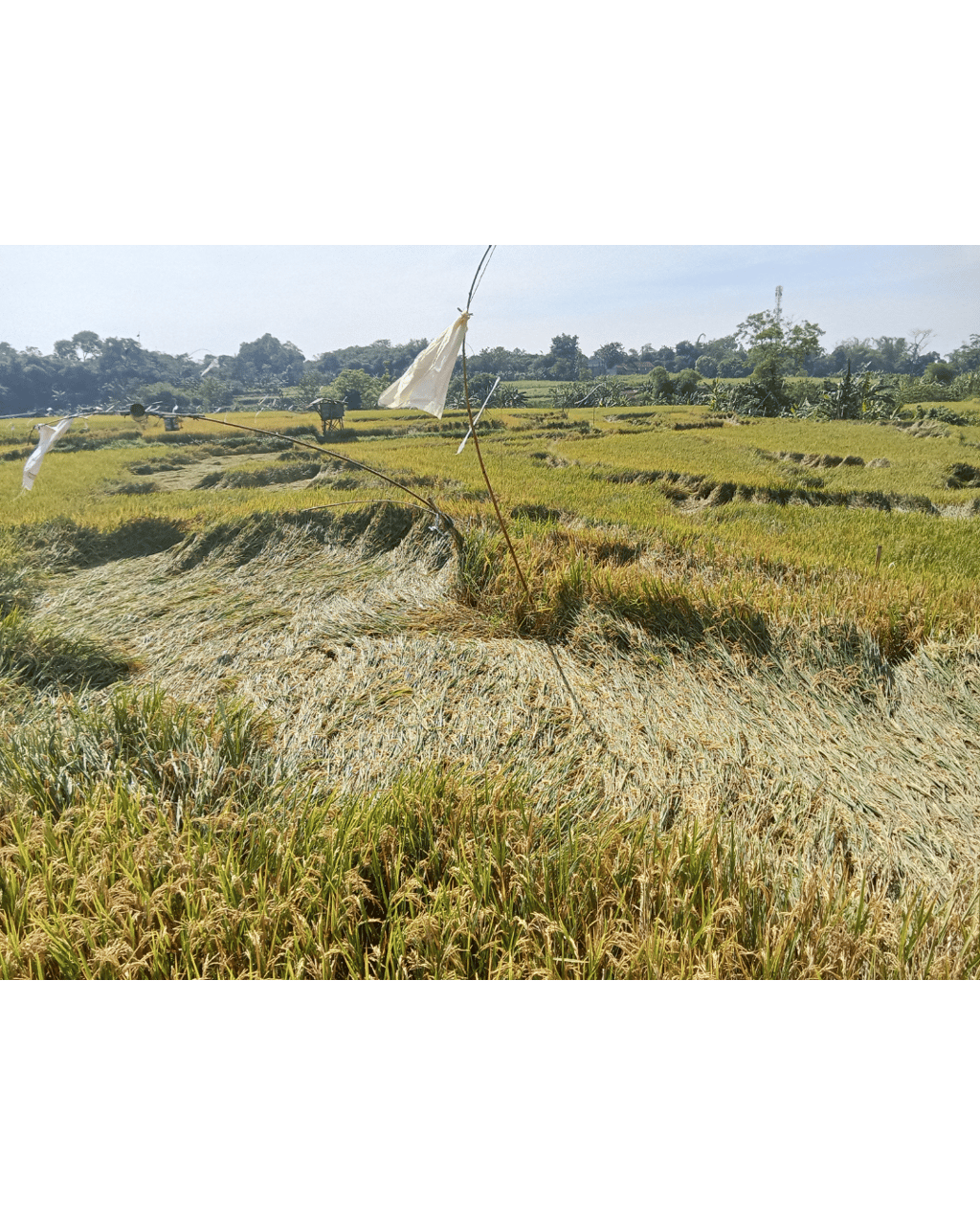
Rice remains the cornerstone of Indonesia’s agriculture and food security. With over 13 million hectares of paddy fields — the majority under wetland (sawah) cultivation — rice farming is by far the largest agricultural subsector in the country. Java, Sumatra, Sulawesi, and parts of Kalimantan are the main rice-producing regions. However, the sector faces a severe and growing labour shortage, especially during planting and harvesting seasons. Traditional manual methods are becoming unsustainable as younger generations move to cities and rural wages continue to rise. Mechanization is therefore no longer optional but essential to maintain productivity, reduce post-harvest losses, and ensure Indonesia’s self-sufficiency in its most important staple food.
Here are the key rice cultivation and wetland farming machines that are currently in high demand and delivering real impact on Indonesian farms:
Mini excavators (for drainage and trenching)
Compact mini excavators quickly dig and maintain drainage canals and irrigation channels in rice fields. They replace weeks of manual labour, improve water management, and help prevent flooding or drought damage during the rainy and dry seasons.
Rollers / soil compactors (for rice fields)
These machines level and compact the soil after puddling, creating an even, firm base for transplanting. They reduce water loss, improve seedling establishment, and create better conditions for mechanized planting and harvesting.
Ploughs (tractor-mounted)
Tractor-mounted ploughs turn and loosen heavy wetland soil efficiently. They prepare fields faster than traditional hand or animal ploughing, saving time and allowing farmers to plant at the optimal moment.
Fertilizer spreaders (precision spreaders)
Precision fertilizer spreaders distribute nutrients evenly across large paddy areas. They reduce waste, prevent over- or under-fertilization, and support higher yields while lowering input costs.
Soil tillage equipment (cultivators and harrows)
Cultivators and harrows break up clods and incorporate organic matter after ploughing. They create a fine, well-aerated seedbed that promotes strong root growth and uniform crop development.
Rotary tillers / power tillers
Rotary tillers thoroughly mix and pulverize soil in one pass. They are especially effective in small and medium-sized wetland plots, significantly reducing preparation time and labour requirements.
Crawler tractors (for wet rice fields)
Low-ground-pressure crawler tractors operate efficiently on soft, muddy rice paddies without sinking. They provide reliable power for tillage, transplanting, and harvesting in conditions where wheeled tractors fail.
Drip irrigation systems
Modern drip irrigation delivers water directly to the root zone with minimal evaporation. In water-scarce regions or during dry seasons, they improve water-use efficiency and support more stable yields.
Soil moisture and nutrient sensor kits
Wireless soil sensors provide real-time data on moisture and nutrient levels. Farmers can optimize irrigation and fertilization timing, reduce resource waste, and make data-driven decisions even on small plots.
IoT irrigation controllers (app-controlled)
App-controlled IoT systems automate irrigation based on sensor data and weather forecasts. They save water, reduce labour for manual valve operation, and allow remote monitoring from anywhere.
Mobile rice dryers
Portable rice dryers enable rapid, uniform drying right after harvest. They significantly cut post-harvest losses caused by improper drying, improve grain quality, and allow farmers to sell at better prices.
Grain cleaning and sorting machines
These machines remove impurities and sort grains by quality. They increase the market value of rice, reduce manual cleaning time, and help farmers meet stricter quality standards from mills and exporters.
Grain and rice drying machines
Advanced drying systems control temperature and airflow to preserve grain quality. They prevent mould and discoloration, extend storage life, and protect farmers from heavy losses during the wet harvest season.
Current positive market drivers
The rice machinery market is strongly supported by Indonesia’s national food security policies and the government’s push for agricultural modernization. The Ministry of Agriculture continues to provide subsidies and low-interest financing for rice mechanization equipment, especially for smallholder cooperatives and UPJA (Agricultural Machinery Service Providers). The Rice Self-Sufficiency Program and the broader Indonesia 4.0 initiative prioritize labour-saving technologies to counteract rural labour migration. Additionally, climate change adaptation efforts and the need to reduce post-harvest losses (currently estimated at 10–15 %) are driving investment in drying and precision equipment. Combined with rising rural wages and the successful expansion of shared-use machinery models, these political and economic factors make rice cultivation machinery one of the most stable and promising segments in Indonesia’s agricultural equipment market for 2026 and beyond.
We are currently finalizing our Agricultural Machinery Catalogue Indonesia 2026, a carefully curated collection of high-potential machines tailored to the Indonesian market.
This catalogue will be presented both online and offline to a selected network of professional dealers, agricultural cooperatives, farmer groups, and relevant government authorities. It is designed as a practical decision-making tool that helps buyers quickly identify the right equipment for rice cultivation, palm oil plantations, and livestock & forage production.
We offer attractive slot placements as well as package discounts for bundled product offerings.
The catalogue is currently being compiled and will be fully available offline after Agritechnica Asia in Bangkok (early June 2026). The next edition is scheduled for December 2026, timed with the main government and cooperative procurement period. Going forward, the catalogue will be published three times per year to stay aligned with seasonal demand and tender cycles.
Would you like to secure a slot or receive the catalogue as soon as it is released?
Contact us — we would be pleased to offer you the version that best fits your needs (full catalogue access, selected product packages, or dealer cooperation opportunities).
Discover more through this link.

Company
© 2026. All rights reserved.
Strategic Thinking. Practical Results.
Resources
Contact
Denpasar, Bali, Indonesia






PT. SEANOHA BUSINESS PARTNER
Registered in Indonesia
Business Registration (NIB): 1905260020924