
Indonesia’s Palm Oil Plantations: Top Machinery Solutions Driving Efficiency and Sustainability in 2026
Indonesia’s palm oil sector is undergoing rapid transformation — and machinery is at the center of this shift. As the world’s largest producer faces labour shortages, rising costs, and increasing sustainability pressure, modern equipment is becoming essential for efficient and compliant operations. In this blog post, discover the most in-demand machinery solutions in 2026 — from harvest and transport systems to mulchers and bio-fertilizer spreaders — and how they address key challenges in the field. Learn which market drivers are accelerating mechanization and how suppliers can position themselves in one of the most dynamic segments of Southeast Asia’s agricultural industry.
AGRICULTURAL MACHINERY
Agatha Nova Damayanti
4/15/20263 min read
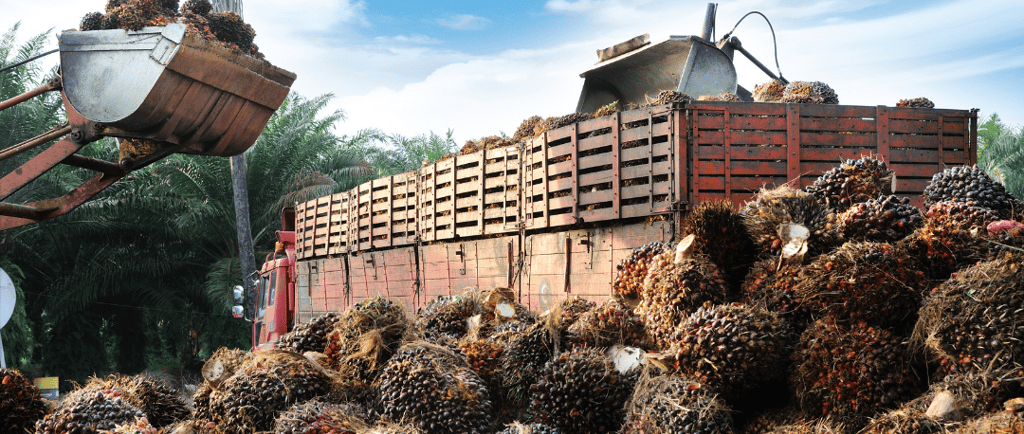
Indonesia is the world’s largest palm oil producer, with over 16 million hectares of plantations generating massive export revenues and thousands of jobs. The sector is undergoing rapid mechanization as plantations face acute labour shortages, rising wages, and growing pressure for sustainable practices under international certification schemes such as RSPO and ISPO. In many regions — especially Sumatra, Kalimantan, and parts of Sulawesi — harvesting, transport, and field maintenance are still largely manual, leading to high costs, worker fatigue, and post-harvest losses. Modern palm oil machinery directly addresses these pain points by speeding up operations, reducing labour dependency, improving safety, and supporting more sustainable land management on both large estates and smaller independent smallholder plots.
Here are the most relevant and in-demand palm oil machinery solutions currently gaining traction in Indonesia:
Palm fruit bunch transporters
These specialized vehicles efficiently move heavy fresh fruit bunches (FFB) from the field to collection points or mills. They drastically cut manual carrying time, reduce worker injuries, and minimize bruising that lowers oil quality and price.
Palm oil pickers (manual/mechanical supplements)
Mechanized palm fruit bunch cutters and extendable pole harvesters allow workers to harvest from the ground instead of climbing trees. They increase daily output by up to 300 %, improve safety, and enable older or less agile workers to remain productive.
Harvest transporters and trailers
Robust trailers and low-ground-pressure transporters move large volumes of FFB quickly across plantation roads. They reduce waiting times at collection points and keep the supply chain flowing smoothly even during peak harvest seasons.
Telescopic handlers (for plantations and storage)
Telescopic handlers load, stack, and move fruit bunches and empty fruit bunches (EFB) at mills and storage yards. Their reach and versatility replace multiple pieces of equipment, saving space and dramatically speeding up material handling.
Wheel loaders (for material handling)
Heavy-duty wheel loaders handle bulk FFB, EFB, and fertilizer with speed and precision. They are essential for large-scale plantations where fast turnaround at loading zones directly impacts daily mill throughput.
Mini loaders / skid-steer loaders (for tight spaces)
Compact and highly manoeuvrable, these machines work efficiently in narrow plantation rows and around young palms. They perform loading, mulching, and light earth-moving tasks where full-size equipment cannot operate.
Mulchers / flail mowers (for plantation floor maintenance)
Flail mowers and mulchers clear undergrowth and chop pruned fronds into fine mulch. They suppress weeds naturally, improve soil organic matter, reduce herbicide use, and create a cleaner, safer working environment.
Soil improvement mulchers (for tropical soils)
Specialized mulchers incorporate pruned biomass and organic matter directly into the soil. They combat erosion on sloping land, enhance soil fertility in nutrient-poor tropical soils, and support long-term plantation sustainability.
Bio-fertilizer spreaders
Precision bio-fertilizer spreaders apply organic and microbial fertilizers evenly across large areas. They lower chemical input costs, improve soil health, and help plantations meet stricter sustainability certification requirements.
Mobile harvest containers
Mobile collection bins and harvest containers allow quick field-side storage and transport of FFB. They reduce ground contact time, cut fruit damage, and streamline logistics between harvesters and main transporters.
Current positive market drivers
The palm oil machinery market in Indonesia is strongly supported by several powerful tailwinds. The government’s ISPO certification push and international RSPO demands are forcing plantations to adopt more sustainable and traceable practices, creating direct demand for mechanized solutions that reduce chemical use and improve labour conditions. Export-oriented mills and large estates benefit from favourable financing schemes and import-duty relief on key agricultural equipment. In addition, the national Biofuel Program (Biodiesel 30 % blend mandate) continues to guarantee strong domestic demand for palm oil, while labour shortages and rising minimum wages make mechanization economically attractive. Together, these political, regulatory, and economic drivers position palm oil plantation machinery as one of the most dynamic and promising segments in Indonesia’s entire agricultural equipment market for 2026 and beyond.
We are currently finalizing our Agricultural Machinery Catalogue Indonesia 2026, a carefully curated collection of high-potential machines tailored to the Indonesian market.
This catalogue will be presented both online and offline to a selected network of professional dealers, agricultural cooperatives, farmer groups, and relevant government authorities. It is designed as a practical decision-making tool that helps buyers quickly identify the right equipment for rice cultivation, palm oil plantations, and livestock & forage production.
We offer attractive slot placements as well as package discounts for bundled product offerings.
The catalogue is currently being compiled and will be fully available offline after Agritechnica Asia in Bangkok (early June 2026). The next edition is scheduled for December 2026, timed with the main government and cooperative procurement period. Going forward, the catalogue will be published three times per year to stay aligned with seasonal demand and tender cycles.
Would you like to secure a slot or receive the catalogue as soon as it is released?
Contact us — we would be pleased to offer you the version that best fits your needs (full catalogue access, selected product packages, or dealer cooperation opportunities).
Discover more through this link.
Company
© 2026. All rights reserved.
Strategic Thinking. Practical Results.
Resources
Contact
Denpasar, Bali, Indonesia






PT. SEANOHA BUSINESS PARTNER
Registered in Indonesia
Business Registration (NIB): 1905260020924