Indonesia's Mining Equipment Market 2026: Nickel, Coal, and the Machine Economy Powering Southeast Asia's Resource Boom
Indonesia sits on some of the world's largest mineral deposits — and the global energy transition is turning its mining sector into one of the fastest-growing markets for heavy construction and processing equipment in the entire Asia-Pacific region.
CONSTRUCTION MACHINERY
Agatha Nova Damayanti
5/3/20266 min read
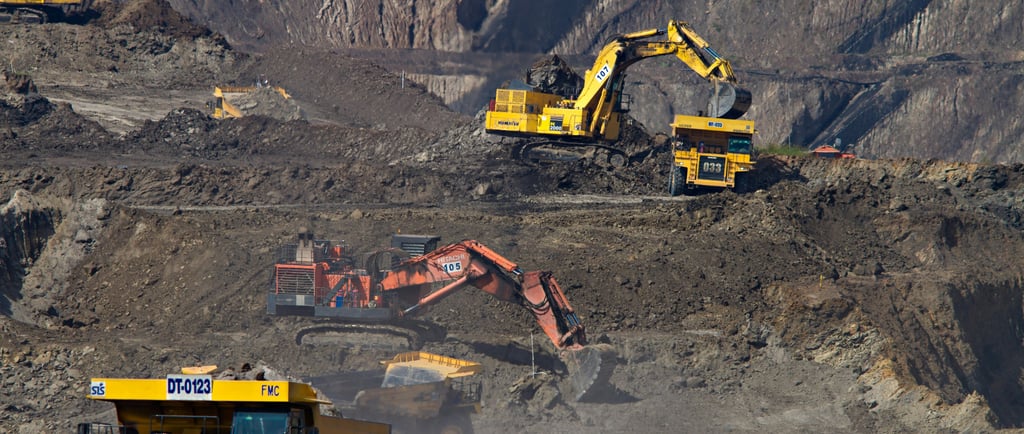
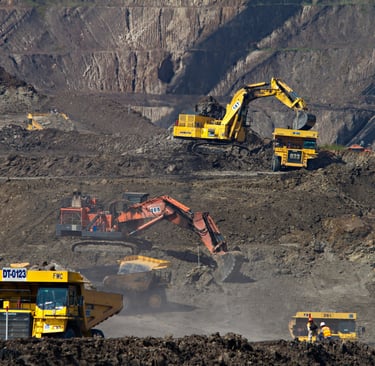
Indonesia's mining construction equipment market is emerging as the single most intensive demand segment for large, specialised heavy machinery in 2026. Fuelled by surging global demand for nickel — the critical raw material for electric vehicle batteries — and sustained export volumes of thermal coal, the country's mining sector is expanding its operational footprint across Sulawesi, Kalimantan, Maluku, and Papua at a pace that is placing enormous pressure on equipment supply chains. More than 30 industrial downstream projects valued at approximately USD 38.5 billion began implementation in early 2026, multiplying the need for processing, transport, and handling machinery well beyond traditional extraction. In this post, explore the ten machines that are most in demand across Indonesia's mining and resource sector, the structural forces driving that demand, and why this market represents a compelling, if commodity-sensitive, opportunity for equipment providers through the end of the decade.
Indonesia's mining sector is undergoing a structural transformation, not just a cyclical upturn.
The country is no longer simply extracting raw ore and shipping it overseas. Since the government's landmark nickel ore export ban — enforced to force downstream processing onshore — Indonesia has been building an entirely new industrial ecosystem around its mineral wealth. Smelters, refineries, battery precursor plants, and stainless steel mills have taken root in industrial estates across Sulawesi and are now requiring the same heavy machinery used in mining operations upstream: crushers, conveyors, dump trucks, and materials handling equipment, but now deployed in processing plants rather than open pits.
Nickel has become Indonesia's most strategically important mineral. The country hosts some of the world's largest laterite nickel deposits, primarily concentrated in Sulawesi and the Maluku Islands. Nickel mining is predominantly open-pit, extracting lateritic ore near the surface — a method that requires high volumes of earthmoving, loading, and haulage equipment operating around the clock. In parallel, Indonesia remains one of the world's leading exporters of thermal coal, with extensive mining operations in East and South Kalimantan that show no sign of contracting given continued Asian demand for power generation.
The result is a mining equipment market where demand is broad, persistent, and increasingly sophisticated.
Here are the ten mining and resource extraction machines generating the strongest demand in Indonesia in 2026:
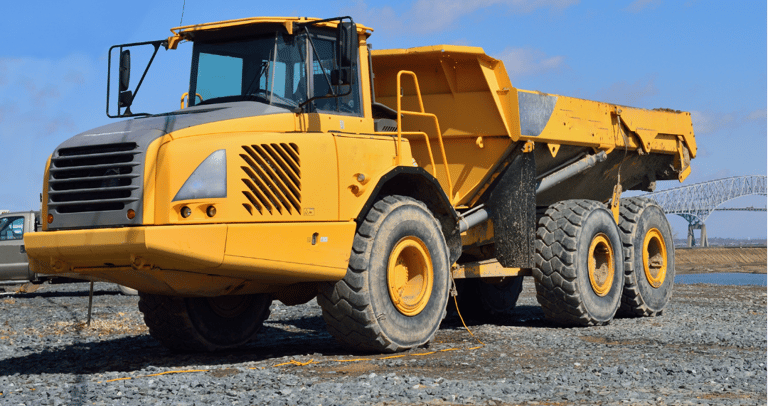
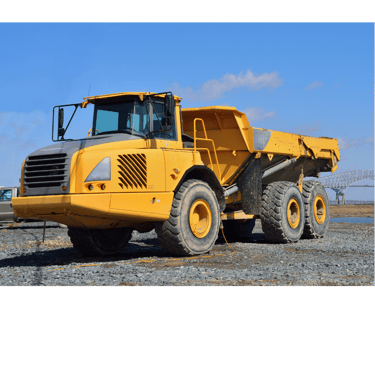
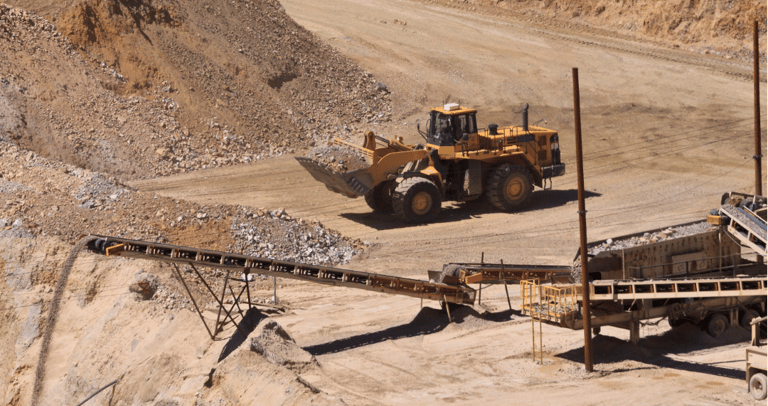
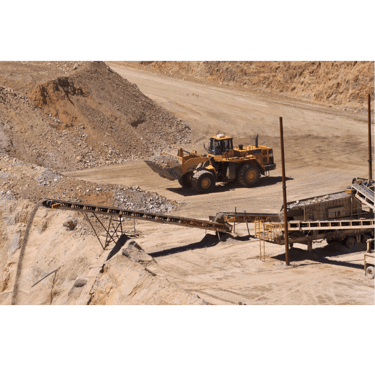
Articulated Dump Trucks are the circulatory system of every open-pit mine in Indonesia. They shuttle ore from the excavation face to the primary crusher or the stockpile in a continuous loop, and their utilisation rates in active Indonesian mining operations are among the highest in the world. Nickel mines in Sulawesi and coal operations in Kalimantan operate large fleets of these machines, and the expansion of mine footprints combined with the 30+ downstream projects is driving fleet replacement and expansion simultaneously.
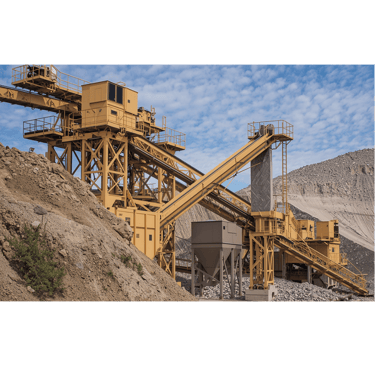
Jaw and Cone Crushers are the first processing step after ore leaves the ground. In nickel operations, lateral ore must be crushed to a uniform size before it can enter the smelting or HPAL (High Pressure Acid Leaching) process. In coal operations, crushers reduce oversize material before conveying. Chinese manufacturer XCMG entered this market specifically with Indonesian mining applications in mind, launching dedicated mining crushers and autonomous electric dump trucks for the country's conditions.
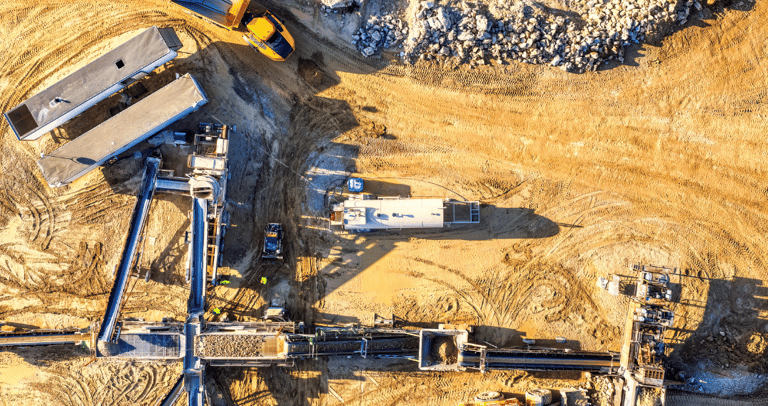
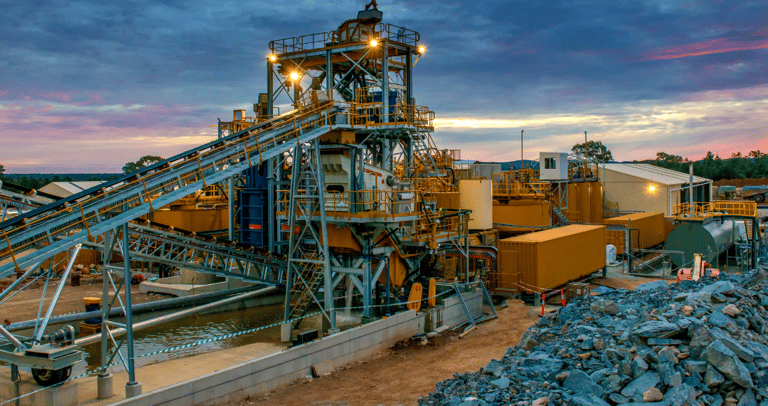
Screening Plants separate crushed ore into defined size fractions, which determines which material goes to the smelter, which is stockpiled, and which is discarded as waste. In a nickel laterite operation, efficient screening directly affects the recovery rate and therefore the profitability of the entire mine. As downstream processing plants multiply under Indonesia's mineral policy, screening capacity must scale proportionally — making this one of the most consistently growing equipment categories in the sector.
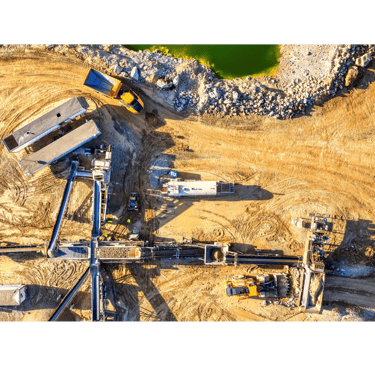
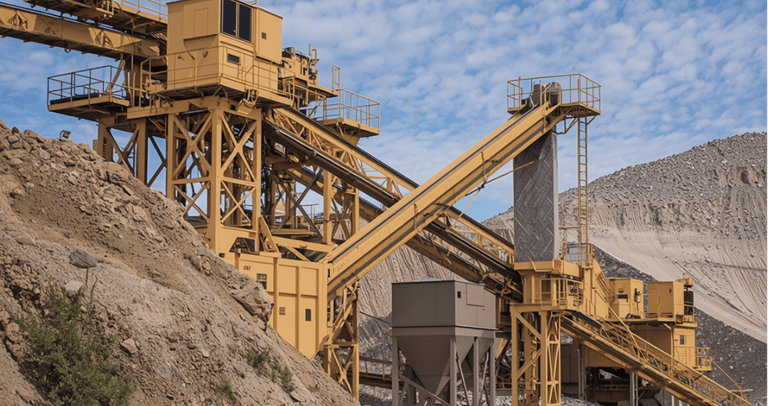
Conveyor Systems are the arteries connecting mine faces, crushers, stockpiles, ports, and processing plants. In Indonesia's large-scale coal and nickel operations, conveyors may run for several kilometres, carrying thousands of tonnes per hour. The expansion of downstream processing — moving from raw ore export to refined product export — is requiring entirely new conveyor infrastructure inside processing plants and between facilities, creating significant incremental demand beyond what the mining operations themselves require.
Stone and Rock Crushers serve the ancillary construction market that surrounds every mining operation: access roads, plant foundations, accommodation camps, and port infrastructure all require aggregate. In a country where mining operations are frequently being established in remote locations with no existing infrastructure, on-site crushing of local rock to produce construction aggregate is both economically necessary and logistically practical.
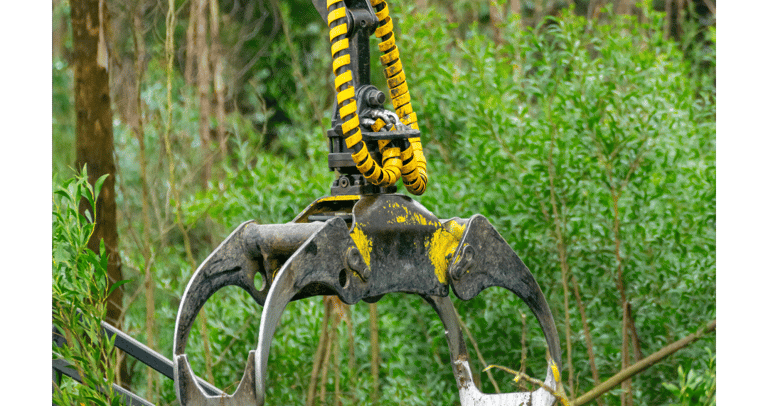
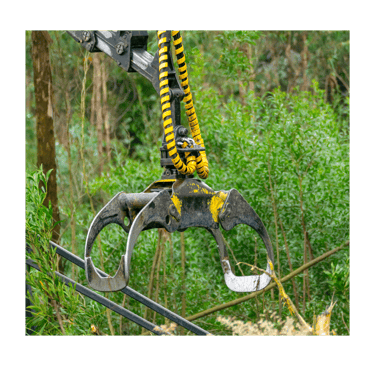
Hydraulic Grapples and Grabs handle bulk material at stockpiles, ports, and transfer points with speed and precision that no other attachment can match. At Indonesia's coal export terminals in Kalimantan and nickel loading facilities in Sulawesi, grapple-equipped cranes and excavators operate around the clock to meet vessel loading schedules. Demand for high-quality grapples — including orange-peel grabs for fine material and clamshell grabs for coarser ore — is directly linked to export throughput volumes.
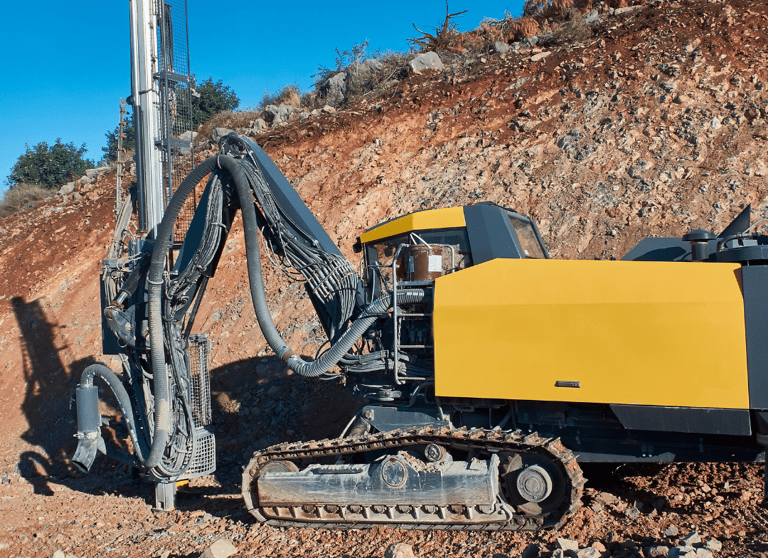
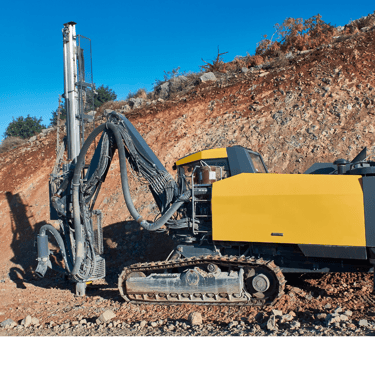
Hydraulic Breakers / Rock Breakers are among the most universally demanded attachments in Indonesian mining. Where blasting is restricted due to environmental regulations, proximity to communities, or operational safety considerations, hydraulic breakers mounted on excavators are the primary method of fragmenting hard rock faces. They are also routinely used to break oversize boulders that cannot pass through primary crushers, making them a daily operational necessity on virtually every Indonesian mining site.
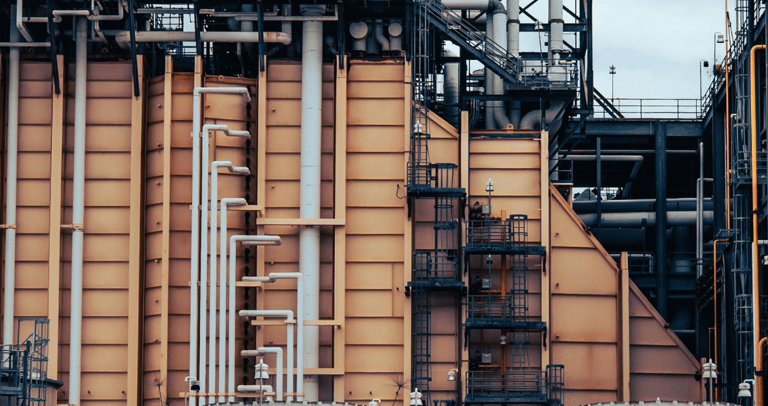
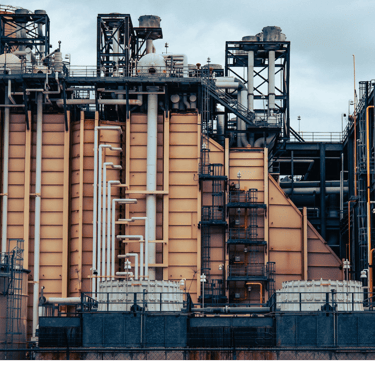
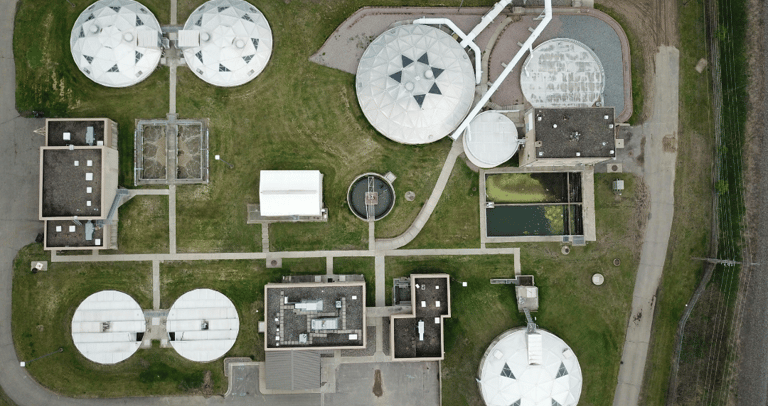
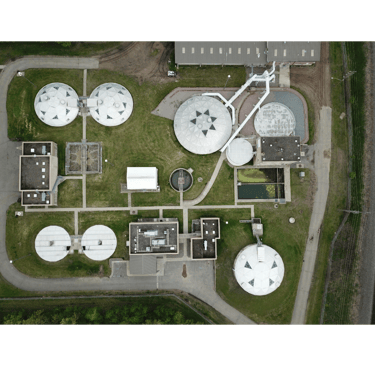
Recycling and Processing Plants for mineral waste streams are a growing investment priority as environmental compliance requirements in Indonesia tighten. Nickel processing in particular generates significant volumes of tailings and process water that must be treated before discharge. Plants that can recover residual minerals from tailings or neutralise acidic process water are becoming a regulatory requirement for new and expanding operations, and the equipment market for these systems is growing alongside the enforcement environment.
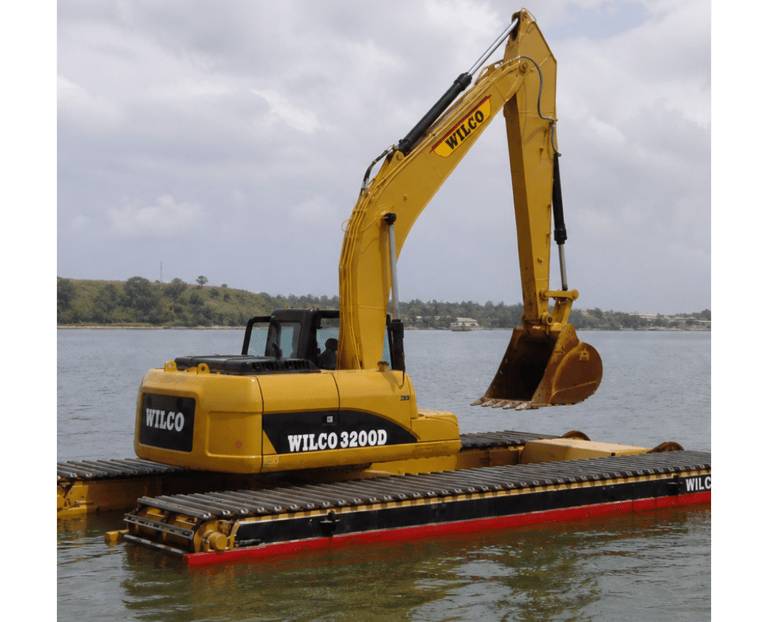
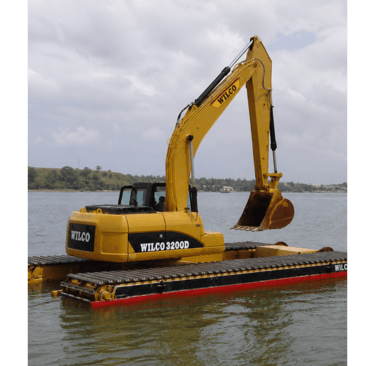
Amphibious Excavators occupy a specialised but growing niche in Indonesia's mining landscape. Several nickel deposits and aggregate sources are located in coastal zones, river deltas, and wetland environments that conventional land-based excavators cannot access. Amphibious excavators — standard excavator bodies mounted on pontoon undercarriages — can work in shallow water and soft ground conditions, making them uniquely suited to Indonesia's highly varied and often challenging terrain.
Sludge Treatment Units are moving from optional investment to regulatory necessity. As Indonesia advances toward its Carbon Neutrality 2060 goal and strengthens enforcement of mining environmental standards, operators are under increasing pressure to demonstrate responsible management of process water, slurry ponds, and wet tailings. Sludge treatment units that separate solids from process water and enable water recycling are being specified in new mine development permits, creating a structurally growing demand category independent of commodity price cycles.
Current positive market drivers
The fundamental driver is Indonesia's position at the intersection of the global energy transition and its own industrial policy. The government's nickel ore export ban has successfully attracted over USD 38.5 billion in downstream industrial investment, creating demand for processing equipment that complements and amplifies the demand from mining operations themselves. Foreign direct investment into Indonesia's mining and metal smelting sector reached nearly USD 13.6 billion in Q1 2025 alone — a 12.7% year-on-year increase — signalling sustained international confidence in the sector's trajectory.
The key risk, as always in mining equipment markets, is commodity price volatility. A significant decline in nickel or coal prices would dampen new investment and delay fleet replacements. However, structural demand from battery supply chains and Indonesia's mandatory downstream processing policy provide a more durable demand floor than pure commodity cycles historically have. For equipment providers, the opportunity lies in building relationships with the large nickel processing estate operators, the coal mining conglomerates, and the Chinese-Indonesian joint ventures that are now the dominant buyers of heavy mining machinery in the country.
We are currently finalizing our Construction Machinery Catalogue Indonesia 2026, a carefully curated collection of high-potential equipment tailored to the Indonesian construction market.
This catalogue will be presented both online and offline to a selected network of professional dealers, contractors, construction companies, infrastructure developers, and relevant government authorities. It is designed as a practical decision-making tool that helps buyers quickly identify the right equipment for earthmoving, road construction, building projects, and material handling.
We offer attractive slot placements as well as package discounts for bundled product offerings.
The catalogue is currently being compiled and will be fully available offline after the upcoming industry exhibitions in Southeast Asia (early June 2026). The next edition is scheduled for December 2026, aligned with major government and private sector procurement cycles. Going forward, the catalogue will be published three times per year to stay aligned with project timelines and tender cycles.
Would you like to secure a slot or receive the catalogue as soon as it is released?
Contact us — we would be pleased to offer you the version that best fits your needs (full catalogue access, selected product packages, or dealer cooperation opportunities).
Discover more through this link.
Company
© 2026. All rights reserved.
Strategic Thinking. Practical Results.
Resources
Contact
Denpasar, Bali, Indonesia






PT. SEANOHA BUSINESS PARTNER
Registered in Indonesia
Business Registration (NIB): 1905260020924