
Indonesia’s Livestock Machinery Market 2026: The Fastest-Growing Subsector in Agricultural Equipment
Indonesia’s livestock machinery market is rapidly becoming one of the most attractive growth segments in agricultural equipment for 2026. Driven by rising protein demand and large-scale government programs, the sector is shifting from traditional smallholder farming to more professional, mechanized operations. In this blog post, explore the key machines transforming dairy, beef, and goat farming — from feed mixers and milking systems to manure management and forage equipment. Discover the market forces behind this surge, the biggest operational bottlenecks, and how manufacturers can position themselves to capture opportunities in this fast-evolving subsector.
AGRICULTURAL MACHINERY
Agatha Nova Damayanti
4/15/20264 min read
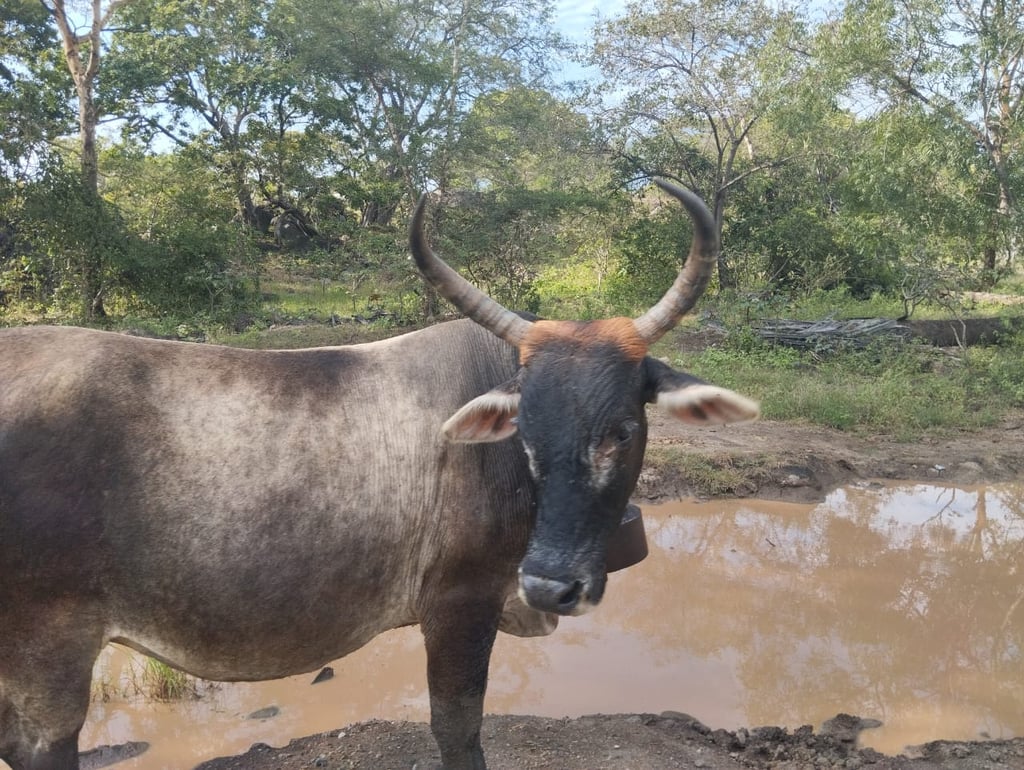
Indonesia’s livestock and forage machinery market is rapidly emerging as the third most important and fastest-growing subsector for agricultural equipment after rice cultivation and palm oil plantations. Driven by the government’s ambitious Free Nutritious Meal Program (MBG), the country is scaling up commercial dairy, beef, and goat production to feed tens of millions of schoolchildren with milk and protein-rich meals every day. This has triggered a structural shift from traditional smallholder backyard farming to more professional, semi-commercial operations.
The majority of dairy cattle are concentrated on Java (especially East and Central Java), while beef cattle and goats are raised across Sumatra, Sulawesi, and parts of Kalimantan. Farms range from small family units with 5–20 animals to larger commercial operations with several hundred head. The biggest bottlenecks are manual fodder production, daily milking, manure handling, and feed mixing — all highly labour-intensive tasks in a country facing a severe rural labour shortage. Mechanization in this sector directly reduces drudgery, cuts costs, improves hygiene, and enables farmers to scale up sustainably.
Here are the key livestock and forage machines that are gaining strong traction in Indonesia right now:
Bale presses (balers for hay and forage)
These machines compress grass and crop residues into compact, weather-resistant bales that are easy to store and transport. They dramatically reduce the time and labour needed for fodder conservation, allowing farmers to maintain a steady feed supply even during the dry season.
Mowers for grass and forage
Tractor-mounted or self-propelled mowers cut large areas of grass quickly and cleanly. They replace days of manual scything, enabling farmers to harvest more fodder in less time and at the optimal growth stage for higher nutritional value.
Hay rakes and swathers
These tools gather cut grass into neat windrows for faster drying. They minimise losses and contamination, making the subsequent baling process far more efficient and delivering cleaner, higher-quality forage to the animals.
Tedders and hay-making machines
Tedders spread and turn the cut grass to speed up drying. They help farmers produce top-quality hay with lower mould risk, directly improving animal health and milk or meat yields.
Feed mixers for cattle and goats
Mobile or stationary feed mixers blend forage, concentrates, and supplements into a uniform Total Mixed Ration (TMR). They save hours of manual mixing every day and ensure every animal receives a balanced diet, boosting productivity and reducing feed waste.
Milking machines for dairy cattle
Portable or stationary milking systems extract milk hygienically and quickly. They replace tiring hand-milking, reduce the risk of mastitis, and allow farmers to handle larger herds without additional labour.
Manure and fertilizer spreaders
These machines spread slurry or solid manure evenly across fields. They turn a messy, time-consuming chore into a precise fertilisation step, improving soil fertility while keeping stables cleaner and reducing odour and disease pressure.
Barn cleaning robots
Automatic scrapers and robotic cleaners remove manure from walkways and stalls several times a day. They keep the barn hygienic with minimal human effort, lower ammonia levels, and improve animal welfare — especially important in rapidly expanding commercial dairy operations.
Compost turners
These machines accelerate the composting of manure and crop residues into high-quality organic fertilizer. They help farmers close the nutrient loop, cut chemical fertiliser costs, and meet growing demand for sustainable palm oil and rice production.
Current positive market drivers
The strongest tailwind is the Free Nutritious Meal Program (MBG), which aims to provide free school meals to tens of millions of children and has triggered massive government investment in dairy and beef production. Indonesia has set clear targets to import one million dairy cows and significantly expand the national cattle herd by 2029. Subsidies for mechanisation, favourable import policies for breeding stock, and new public-private partnerships are accelerating the shift toward modern livestock farming. At the same time, sustainability requirements from palm oil and rice buyers are pushing farms toward organic fertiliser and biogas solutions. Together, these political and economic drivers are turning livestock machinery into one of the most attractive and fastest-growing segments in Indonesia’s entire agricultural equipment market in 2026 and beyond.
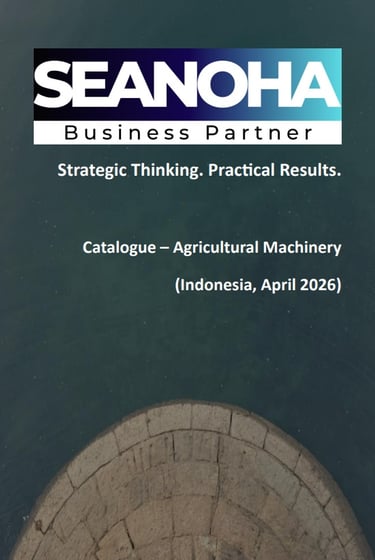
We are currently finalizing our Agricultural Machinery Catalogue Indonesia 2026, a carefully curated collection of high-potential machines tailored to the Indonesian market.
This catalogue will be presented both online and offline to a selected network of professional dealers, agricultural cooperatives, farmer groups, and relevant government authorities. It is designed as a practical decision-making tool that helps buyers quickly identify the right equipment for rice cultivation, palm oil plantations, and livestock & forage production.
We offer attractive slot placements as well as package discounts for bundled product offerings.
The catalogue is currently being compiled and will be fully available offline after Agritechnica Asia in Bangkok (early June 2026). The next edition is scheduled for December 2026, timed with the main government and cooperative procurement period. Going forward, the catalogue will be published three times per year to stay aligned with seasonal demand and tender cycles.
Would you like to secure a slot or receive the catalogue as soon as it is released?
Contact us — we would be pleased to offer you the version that best fits your needs (full catalogue access, selected product packages, or dealer cooperation opportunities).
Discover more through this link.
Company
© 2026. All rights reserved.
Strategic Thinking. Practical Results.
Resources
Contact
Denpasar, Bali, Indonesia






PT. SEANOHA BUSINESS PARTNER
Registered in Indonesia
Business Registration (NIB): 1905260020924