
Indonesia's Infrastructure Construction Equipment Market 2026: The Backbone of a Nation Being Built from Scratch
Indonesia is building more roads, bridges, and cities than at any point in its modern history — and the demand for construction equipment to make it happen has never been higher.
CONSTRUCTION MACHINERY
Agatha Nova Damayanti
5/3/20267 min read
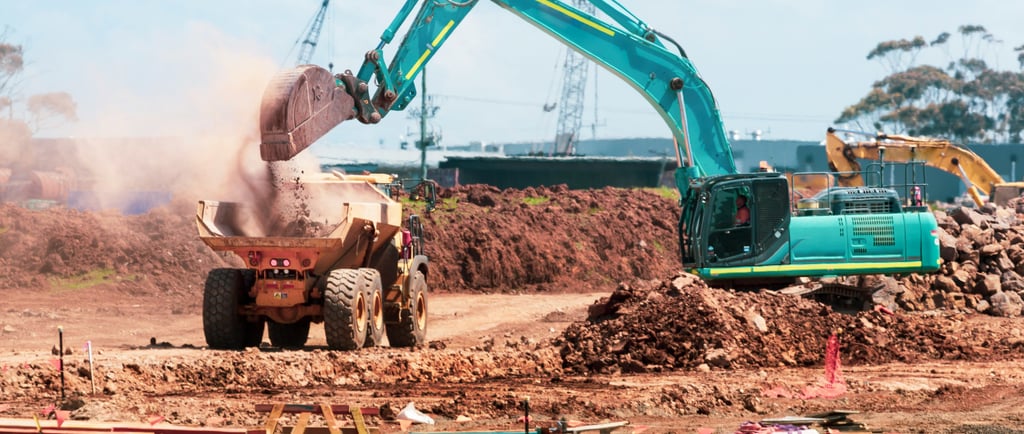
Indonesia's infrastructure construction equipment market is rapidly becoming one of the most strategically important investment opportunities in Southeast Asia for 2026. Driven by the Indonesian government's landmark national development plan (RPJMN 2024–2029), the relocation of the national capital to Ibu Kota Nusantara (IKN), and a pipeline of toll roads, ports, airports, and bridges worth hundreds of billions of dollars, the country is entering a period of unprecedented physical transformation. In this blog post, explore the key machines powering Indonesia's infrastructure buildout — from motor graders and asphalt pavers to crawler cranes and smart light towers — and discover the market forces, structural bottlenecks, and strategic entry points for manufacturers and distributors looking to capture growth in this high-velocity sector.
The scale of what is being built is difficult to overstate.
Indonesia's construction sector now contributes over 10% of national GDP and grew by 7% in 2024. The infrastructure segment alone commanded a 55.66% share of the total construction market in 2025, supported by a government spending programme that is both sweeping and sustained. The Ministry of Public Works has confirmed a strong project pipeline extending well into 2026 and beyond, with particular emphasis on connectivity in remote and underserved regions across Java, Sumatra, Sulawesi, Kalimantan, and Papua.
The centrepiece of this buildout is the new capital city, Ibu Kota Nusantara. With a masterplan valued at USD 35 billion, IKN requires massive earthmoving, road construction, drainage, foundation work, and material handling — all of which translate directly into sustained demand for heavy infrastructure equipment. Construction activity in Nusantara is expected to extend through 2026 and well into the following years, involving substantial earthmoving works, elevated road sections, and supporting utilities.
Beyond IKN, the government has set a target to complete approximately 6,900 bridges by 2026, with a strong focus on remote areas where river crossings remain a daily barrier to education, healthcare, and commerce. The Ministry of Transportation is simultaneously pursuing a USD 53.4 billion private investment programme to expand the national railway network from 6,461 km to 10,524 km by 2030. Toll road corridors across Sumatra, Java, and Papua add further layers of demand.
Here are the key infrastructure construction machines gaining the strongest traction in Indonesia right now:
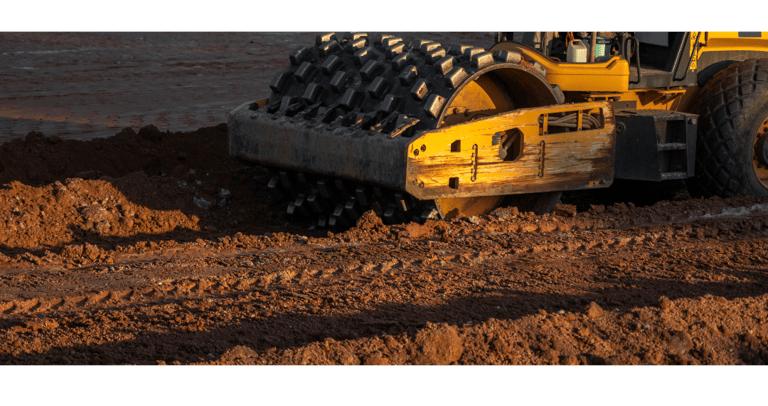
Motor Graders are the workhorse of road construction in Indonesia. They level and shape road surfaces with millimetre precision before asphalt or concrete is laid, and they are indispensable for subgrade preparation across thousands of kilometres of new toll roads, rural access roads, and secondary corridors. With road roller sales also surging and the government's road expansion programme in full force, motor graders represent one of the highest-volume equipment categories in the country for 2026.
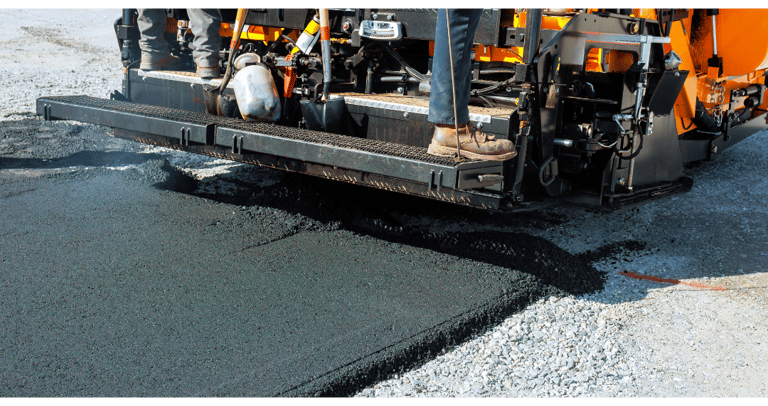
Asphalt Pavers are the machines that actually lay the road surface, and Indonesia's toll road programme has turned them into a high-demand category. The road construction equipment segment overall is projected to reach USD 70 million by value by 2031, growing at a CAGR of 7.36%. Every completed subgrade eventually requires a paver, making this one of the most consistent and predictable demand streams in the entire market.
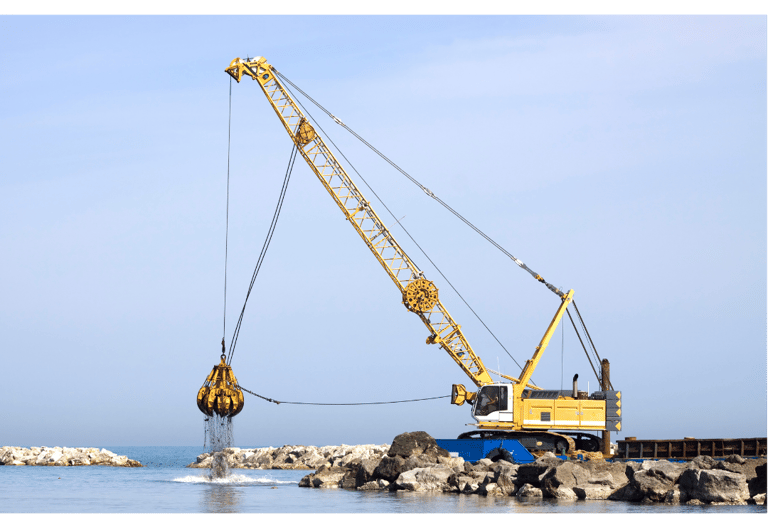
Crawler Cranes are essential wherever heavy lifting meets challenging ground conditions — exactly the environment found at harbour construction sites, river bridge crossings, and high-rise structures in IKN. Port modernisation initiatives, strong construction activity, and growth in manufacturing are all pushing crane demand higher in 2026. Crawler cranes in particular offer the stability and lifting capacity needed for large prefabricated bridge elements and deep foundation piles.
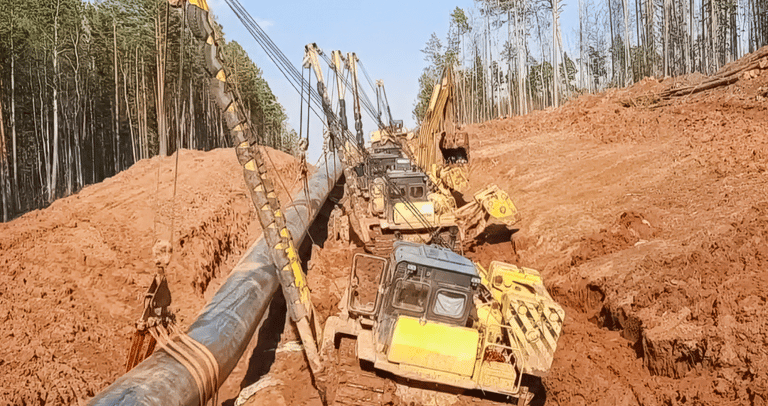
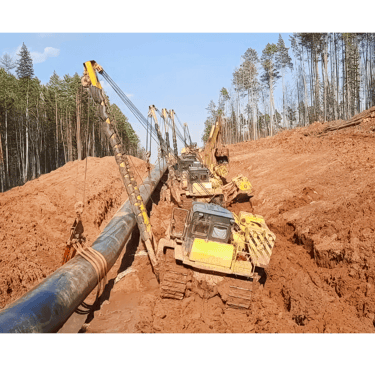
Pipe Layers are critical for the underground infrastructure that makes new cities and towns function — water supply, wastewater, stormwater, and gas networks. IKN alone requires a completely new utility network built from the ground up. The government's 46 strategic investment projects include multiple water supply and energy components, each of which depends on efficient, precise pipe-laying equipment.
Soil Stabilizers address one of Indonesia's most persistent engineering challenges: weak, waterlogged, or expansive subsoils that cannot support roads and structures without treatment. In Kalimantan, where IKN is being built on tropical lowland soil, stabilisation is a mandatory step before any pavement or foundation can be laid. Demand for this machine class is quietly but consistently growing.
Pile Driving Rigs are the foundation specialists that make bridges, harbour walls, and large buildings possible on Indonesia's soft coastal and riverine soils. With 6,900 bridges planned and a wave of port upgrades underway, pile driving represents a structural demand category that will remain active throughout the entire construction cycle of these projects.
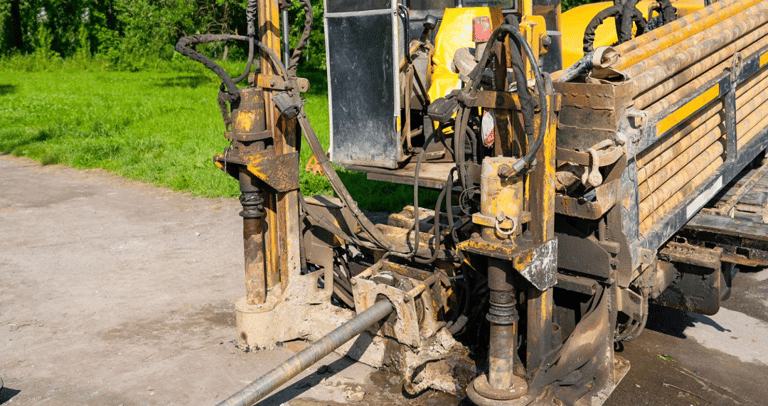
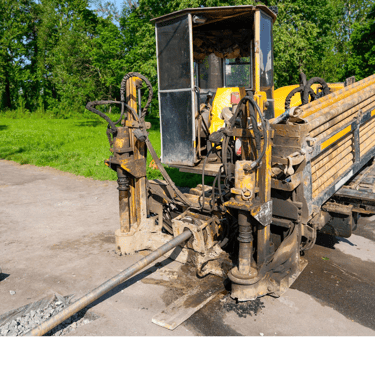
Horizontal Directional Drilling (HDD) Rigs allow pipes and cables to be installed underground without opening trenches — a major advantage in urban areas, river crossings, and protected zones. As Indonesia accelerates its fibre optic rollout, gas network expansion, and cross-island cable infrastructure, HDD demand is rising steadily and is expected to become a mainstream requirement on complex infrastructure projects.
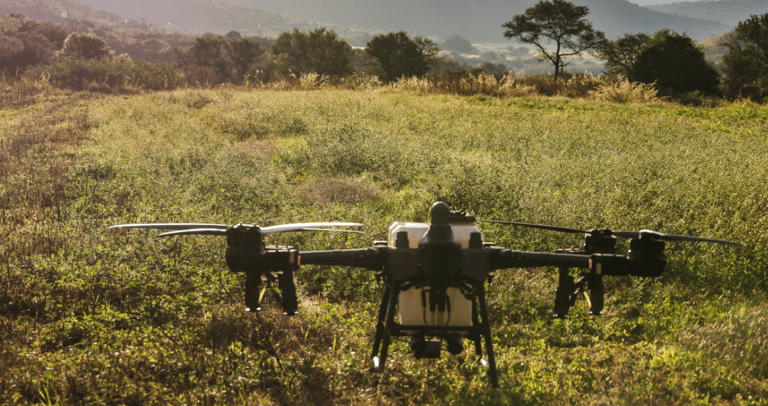
Drone-Assisted Surveying Systems are the fastest-growing technology category in Indonesian infrastructure. Survey-grade drones produce topographic maps, volume calculations, and progress reports in a fraction of the time required by traditional ground surveys — a significant advantage when managing hundreds of kilometres of road or dozens of bridge sites simultaneously. Adoption is accelerating among government contractors and large EPC firms.
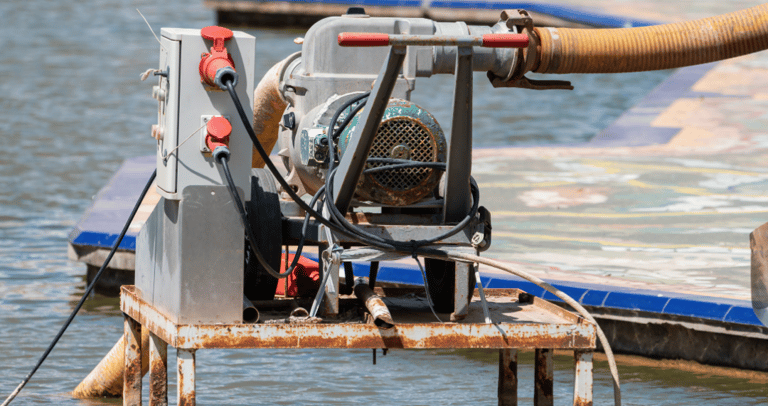
High-Capacity Dewatering Pumps with Filtration are a practical necessity on virtually every infrastructure site in tropical Indonesia. Monsoon rainfall, high water tables, and coastal proximity mean that active groundwater management is a constant requirement on excavations, tunnels, and foundation pits. Modern systems with integrated filtration are increasingly required to comply with environmental regulations.
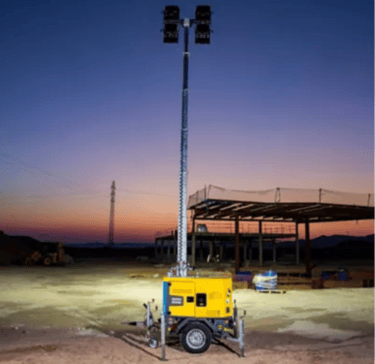
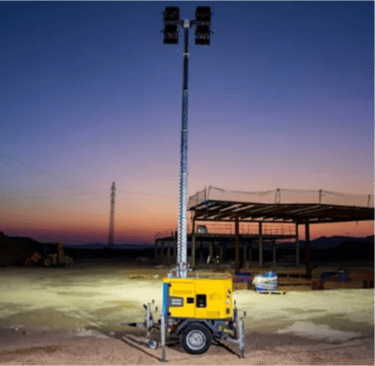
Smart Light Towers with IoT Sensors enable safe and productive night-shift operations on large, time-critical infrastructure projects such as IKN, motorway segments, and port facilities. Integrated sensors monitor air quality, noise, movement, and equipment status in real time, feeding data back to central project management systems. As 24-hour construction schedules become standard on major government contracts, smart light towers are shifting from a convenience to an operational necessity.
Current positive market drivers
The strongest single tailwind is the government's multi-year infrastructure spending commitment under RPJMN 2024–2029, which earmarks sustained budget allocations for roads, railways, ports, airports, and water infrastructure. The IKN capital project alone provides a decade-long demand anchor for contractors and equipment suppliers. The government's target of completing 6,900 bridges by 2026, the USD 53.4 billion railway expansion programme, and the Ministry of Public Works' confirmed 2026 project pipeline collectively represent one of the most visible and bankable demand signals in the regional construction equipment market.
Indonesia's overall construction market is projected to grow by 5.4% in real terms in 2026, with the infrastructure segment continuing to dominate. The total construction equipment market is on a trajectory from 21,694 units in 2025 to 31,920 units by 2031 — a CAGR of 6.65% — and infrastructure remains the primary demand engine throughout that period.
For manufacturers, distributors, and fleet operators, the opportunity lies not only in the volume of machines required but in the entire lifecycle ecosystem: spare parts, maintenance contracts, operator training, telematics, and financing. Companies that establish service infrastructure alongside equipment sales — and that can meet government procurement timelines and local content requirements — are best positioned to capture the full value of Indonesia's infrastructure decade.
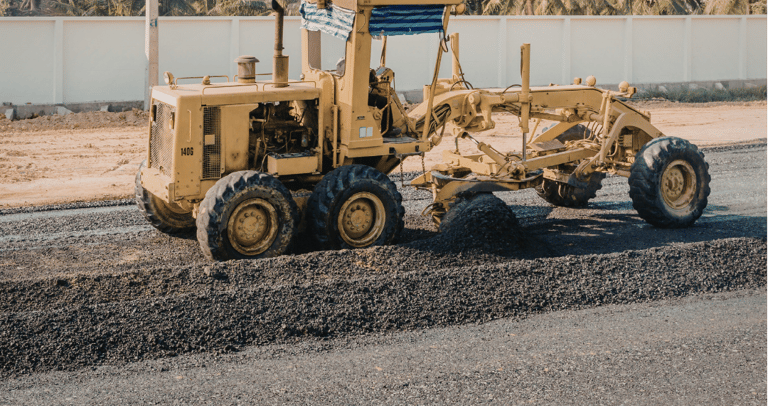
We are currently finalizing our Construction Machinery Catalogue Indonesia 2026, a carefully curated collection of high-potential equipment tailored to the Indonesian construction market.
This catalogue will be presented both online and offline to a selected network of professional dealers, contractors, construction companies, infrastructure developers, and relevant government authorities. It is designed as a practical decision-making tool that helps buyers quickly identify the right equipment for earthmoving, road construction, building projects, and material handling.
We offer attractive slot placements as well as package discounts for bundled product offerings.
The catalogue is currently being compiled and will be fully available offline after the upcoming industry exhibitions in Southeast Asia (early June 2026). The next edition is scheduled for December 2026, aligned with major government and private sector procurement cycles. Going forward, the catalogue will be published three times per year to stay aligned with project timelines and tender cycles.
Would you like to secure a slot or receive the catalogue as soon as it is released?
Contact us — we would be pleased to offer you the version that best fits your needs (full catalogue access, selected product packages, or dealer cooperation opportunities).
Discover more through this link.

Company
© 2026. All rights reserved.
Strategic Thinking. Practical Results.
Resources
Contact
Denpasar, Bali, Indonesia






PT. SEANOHA BUSINESS PARTNER
Registered in Indonesia
Business Registration (NIB): 1905260020924