
Indonesia's Industrial and Energy Construction Equipment Market 2026: The New Frontier for Smart, Clean, and High-Tech Machinery
Hyperscale data centres, gigawatt-scale solar parks, battery material factories, and an expanding railway network — Indonesia's fastest-growing construction segment in 2026 is not what most equipment suppliers expected.
CONSTRUCTION MACHINERY
Agatha Nova Damayanti
5/3/20267 min read
Indonesia's industrial and energy construction equipment market is quietly becoming the most dynamic and forward-looking segment in the country's broader construction landscape for 2026. While infrastructure and mining dominate by volume, the industrial and energy sector is recording the highest CAGR of any end-use segment and is driving demand for a new generation of construction machines: electric, hybrid, compact, emission-conscious, and increasingly connected to digital management systems. Fuelled by a wave of hyperscale data centre investments in Greater Jakarta, an ambitious renewable energy buildout targeting 42.6 GW of capacity by 2034, a rapidly expanding battery material processing ecosystem, and a government railway expansion programme worth USD 53.4 billion, this sector is pulling demand for construction equipment in directions that traditional heavy equipment catalogues were not designed to address. In this post, explore the ten machines that are transforming industrial and energy construction in Indonesia, the forces driving this structural shift, and why companies that position now will be best placed to serve the most sophisticated and fastest-evolving segment of this market through the end of the decade.
Indonesia's industrial construction story in 2026 is defined by two parallel revolutions: the data economy and the energy transition.
On the data side, Indonesia is experiencing a hyperscale data centre investment surge unlike anything seen before in Southeast Asia. In November 2025, EDGNEX Data Centers by DAMAC announced a USD 2.3 billion, 500 MW AI-focused data centre in Jakarta, with first-phase operations targeted for December 2026. In June 2025, Princeton Digital Group broke ground on a USD 1 billion, 120 MW hyperscale campus in Greater Jakarta. These are not isolated projects — they are part of a structural wave of digital infrastructure investment that is turning Greater Jakarta into one of Asia's premier data centre corridors, requiring construction crews, lifting equipment, precision concrete work, and emission-controlled machinery operating in dense urban environments.
On the energy side, Indonesia's government has committed to 42.6 GW of renewable energy capacity and 10.3 GW of storage by 2034. Solar parks, geothermal plants, wind installations, and the associated grid infrastructure are being developed across the archipelago, each requiring significant civil construction. The Battery Investment Management Agency (BPI Danantara) announced four strategic investment projects in February 2026, covering waste-based energy, basic chemical industries, agriculture, and digital infrastructure with a combined value of IDR 202.4 trillion (approximately USD 12.7 billion). Simultaneously, the government's railway expansion from 6,461 km to over 10,500 km by 2030 is creating sustained demand for tunnelling, civil, and mechanical construction equipment across multiple corridors.
The common thread across all of these projects is that they require construction equipment that is cleaner, quieter, more precise, and more connected than the machines that built Indonesia's roads and mines over the past two decades.
Here are the ten industrial and energy construction machines generating the strongest demand in Indonesia in 2026:
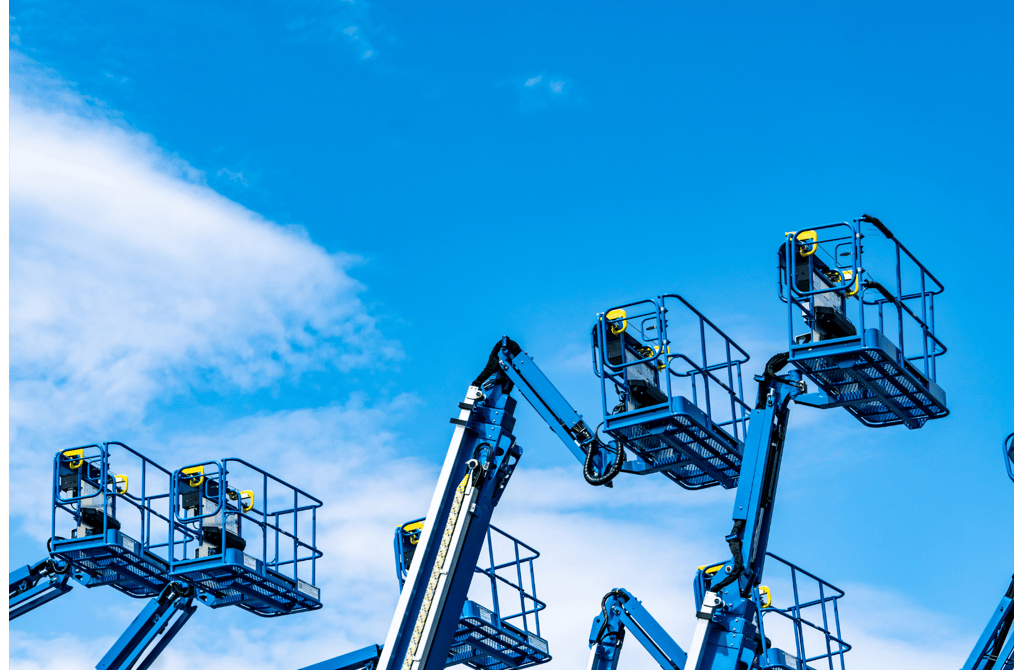
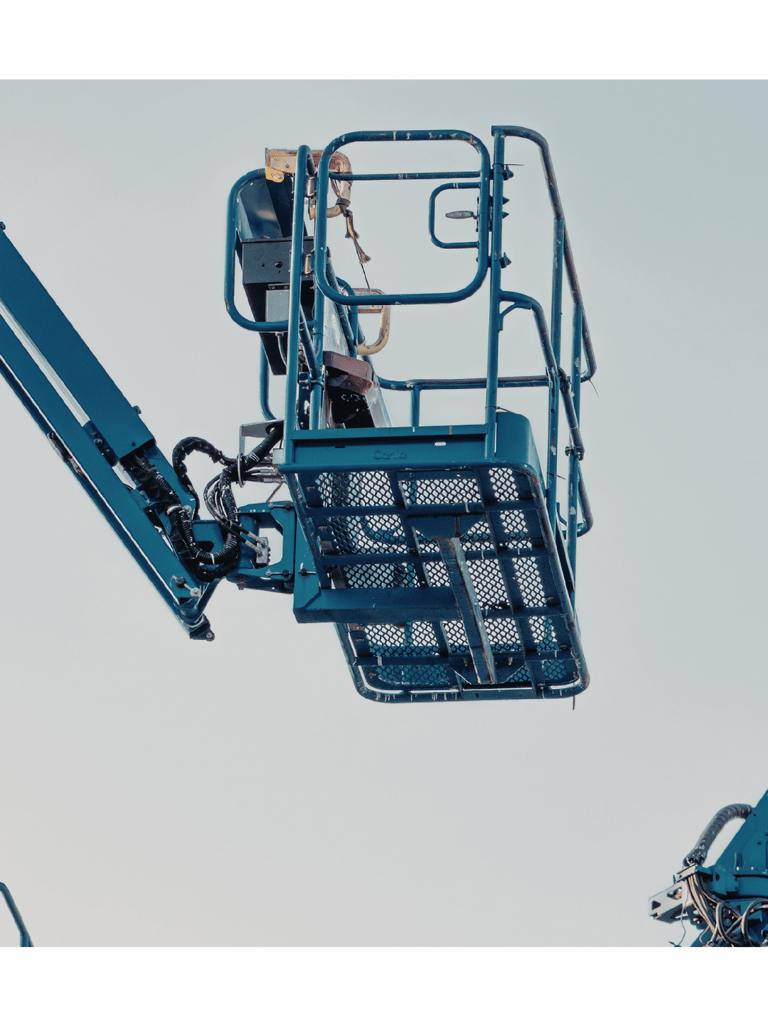
Aerial Work Platforms are indispensable on data centre and industrial factory construction sites, where interior structural work, mechanical and electrical installation, and façade work all require safe, flexible access at height. The rapid construction of hyperscale data centres — which involve complex internal fitout of server halls, cooling infrastructure, and power distribution systems — is driving strong and sustained demand for scissor lifts, boom lifts, and mast climbers in and around Greater Jakarta.
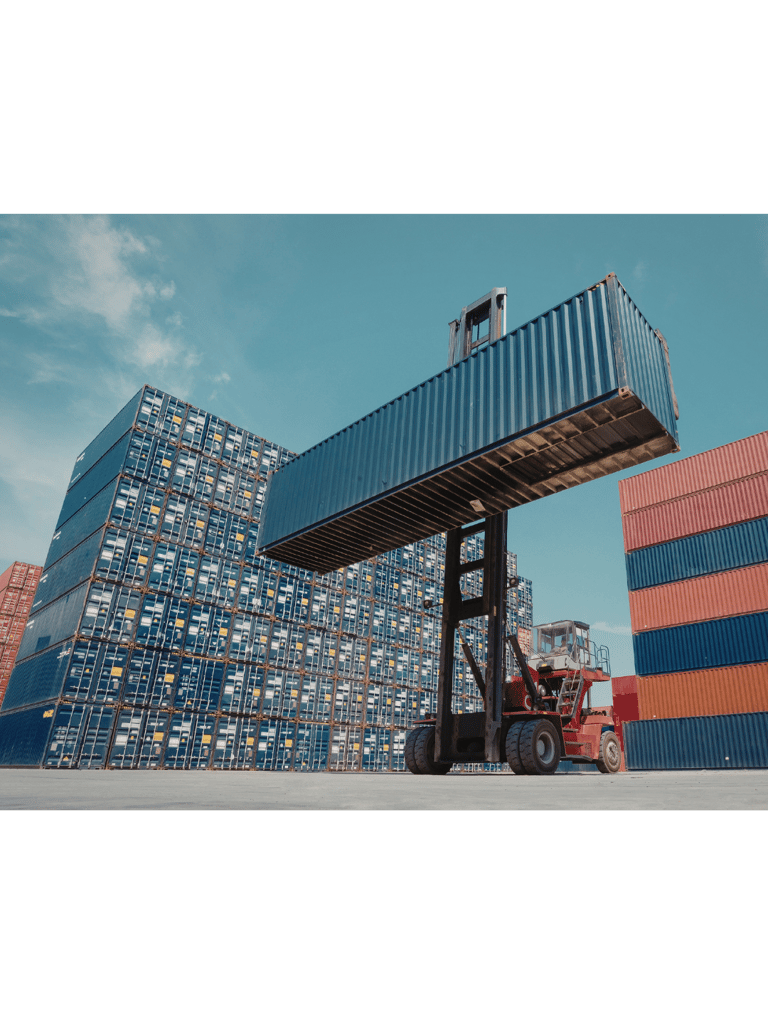
Forklifts are the backbone of materials management on industrial construction sites and in the finished facilities that follow. In the expanding network of industrial parks and special economic zones that are being developed to attract Chinese, Korean, and Japanese manufacturers, forklift fleets are required both during construction and permanently afterward for warehouse and factory operations. Indonesia attracted USD 13.6 billion in foreign direct investment in Q1 2025, with strong inflows into manufacturing — each new factory is a forklift customer.
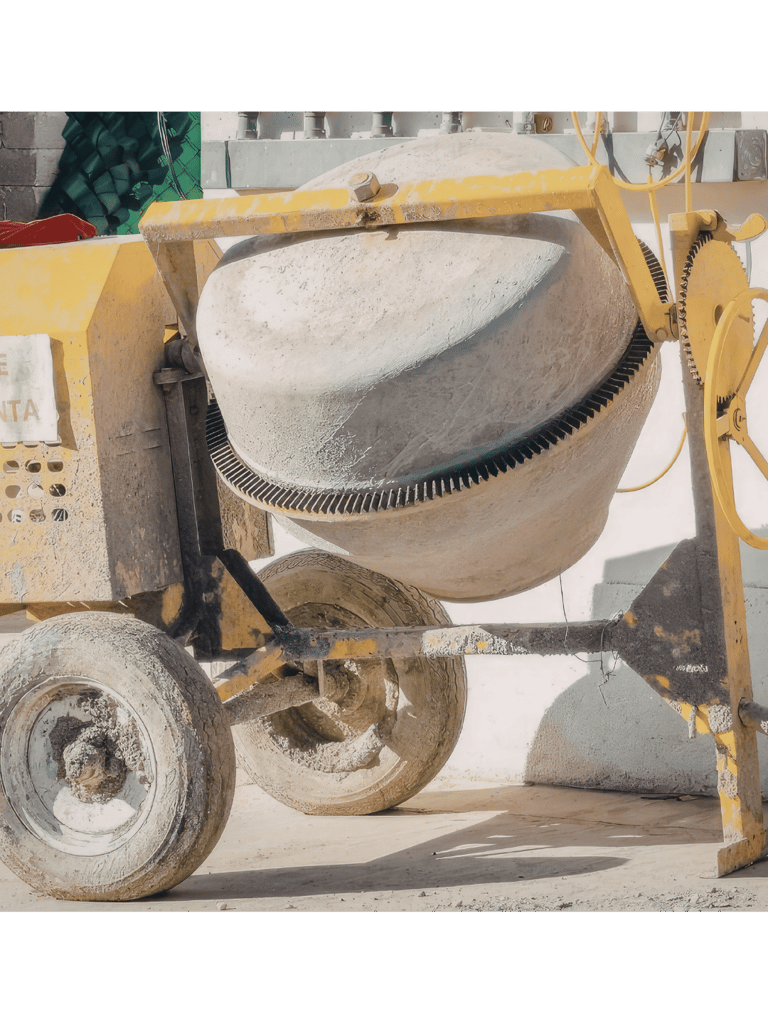
Concrete Mixers are a permanent fixture on industrial construction sites, and the current wave of factory, data centre, and energy facility construction in Indonesia is keeping demand elevated. Industrial floor slabs, equipment foundations, cable trench covers, and structural walls all require high volumes of concrete delivered on tight schedules. As industrial construction increasingly moves to tighter specifications and higher performance concrete mixes, demand for modern, well-maintained mixing equipment is rising alongside.
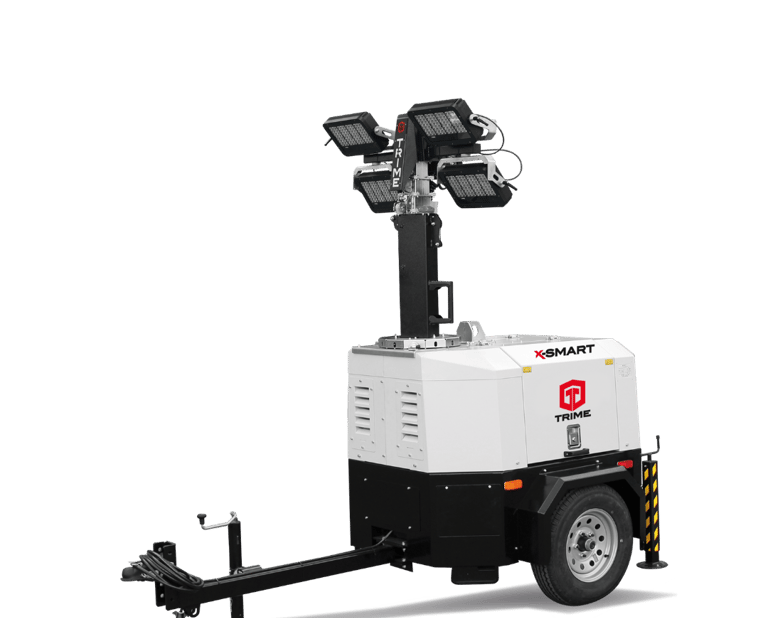
Light Towers provide the mobile illumination that keeps industrial construction sites productive around the clock. Solar parks in remote regions, railway construction in rural corridors, and industrial estate development on greenfield sites all require reliable temporary lighting that can be repositioned as the work progresses. The shift toward energy-efficient LED light towers with generator sets optimised for low-load operation aligns well with the sustainability requirements increasingly specified by international developers and ESG-conscious project owners.
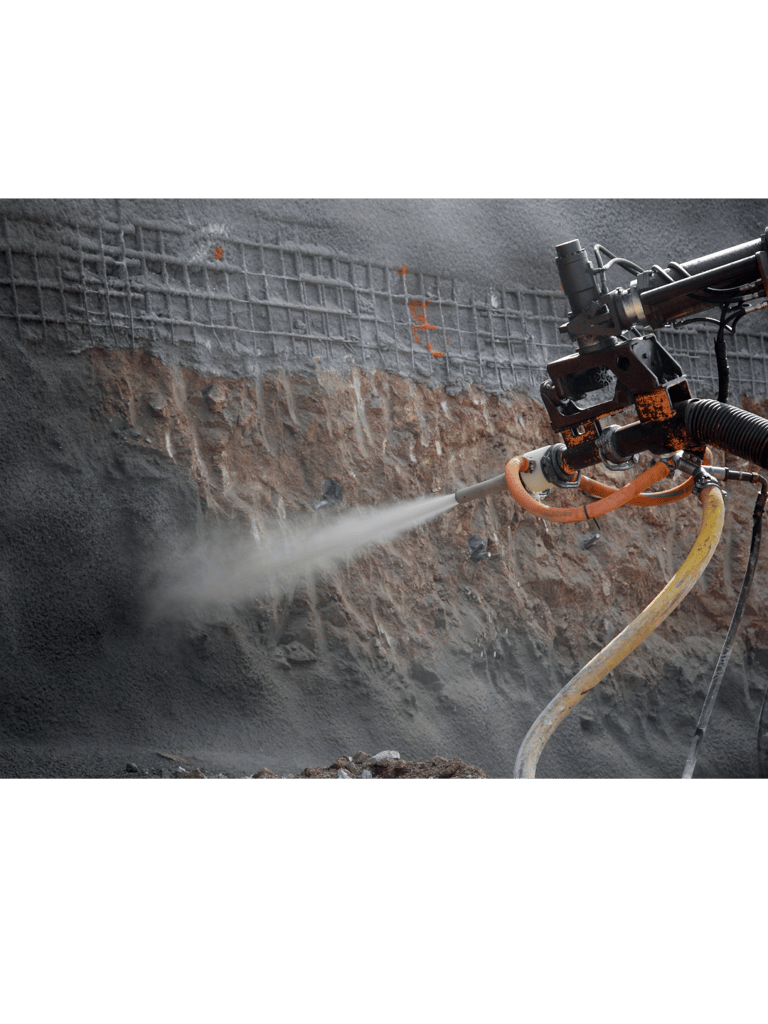
Shotcrete Machines are a critical technology for the railway tunnel sections that form part of Indonesia's USD 53.4 billion rail expansion. Shotcrete — concrete applied pneumatically to a surface under pressure — is the standard method for stabilising freshly excavated tunnel walls and portals, and the expansion of the national railway network into mountainous terrain will require significant shotcrete capacity. Shotcrete machines are also used in underground utility corridors and data centre basement construction in urban environments.
Battery-Powered Mini Excavators (are gaining rapid adoption in Indonesia's urban industrial construction market for a specific and practical reason: they can operate inside partially completed buildings, in underground car parks, and in air-conditioned data centre shells without producing exhaust emissions or excessive noise. As Indonesia advances its Carbon Neutrality 2060 agenda and as international data centre developers apply global environmental standards to their Indonesian construction contracts, zero-emission excavation equipment is moving from a preference to a specification requirement.
Hybrid Wheel Loaders represent the transitional technology between diesel and electric for larger-scale materials handling on industrial sites. Volvo Construction Equipment and SDLG have already launched electric and hybrid products in Indonesia, responding to growing demand from ESG-conscious developers and operators. In industrial parks with tight environmental performance targets — particularly those attracting export-oriented manufacturers subject to European and North American supply chain sustainability requirements — hybrid loaders are increasingly the default specification.
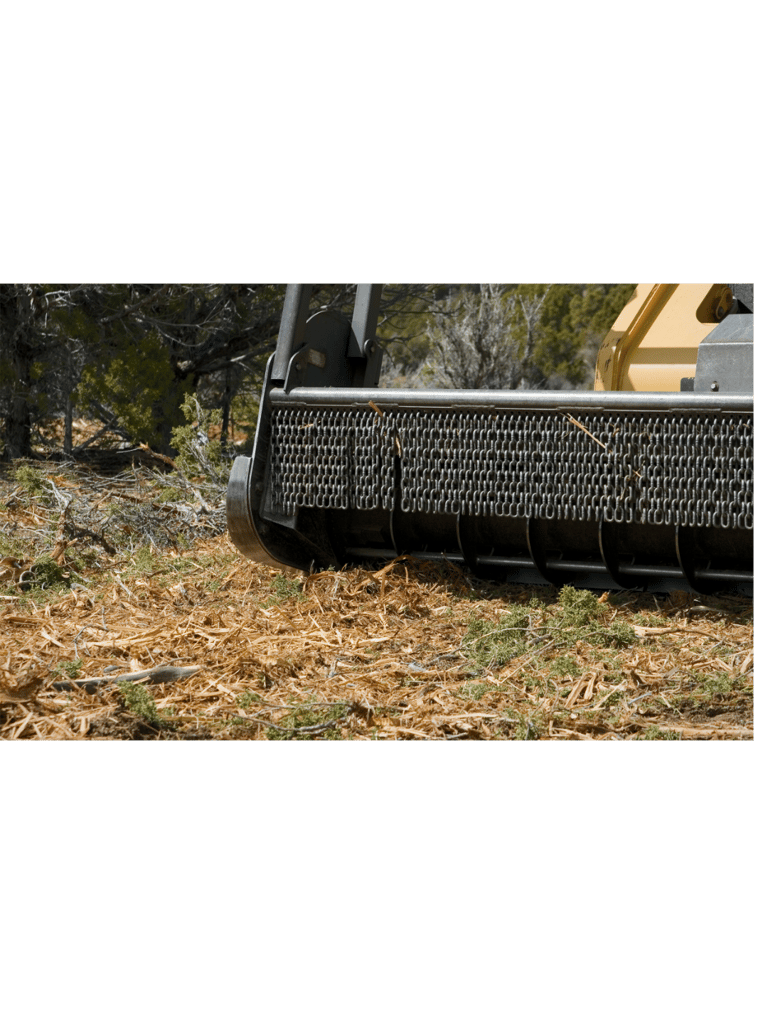
Mulchers and Land Clearing Equipment serve the initial site preparation phase of industrial park and energy facility development. Indonesia's abundant supply of land for industrial development — particularly on Sumatra, Kalimantan, and Sulawesi — frequently requires vegetation clearing and organic material processing before grading and construction can begin. Modern mulchers that process vegetation in a single pass, returning it to the soil as organic matter rather than burning it, align with the environmental standards that major international developers are now required to apply.
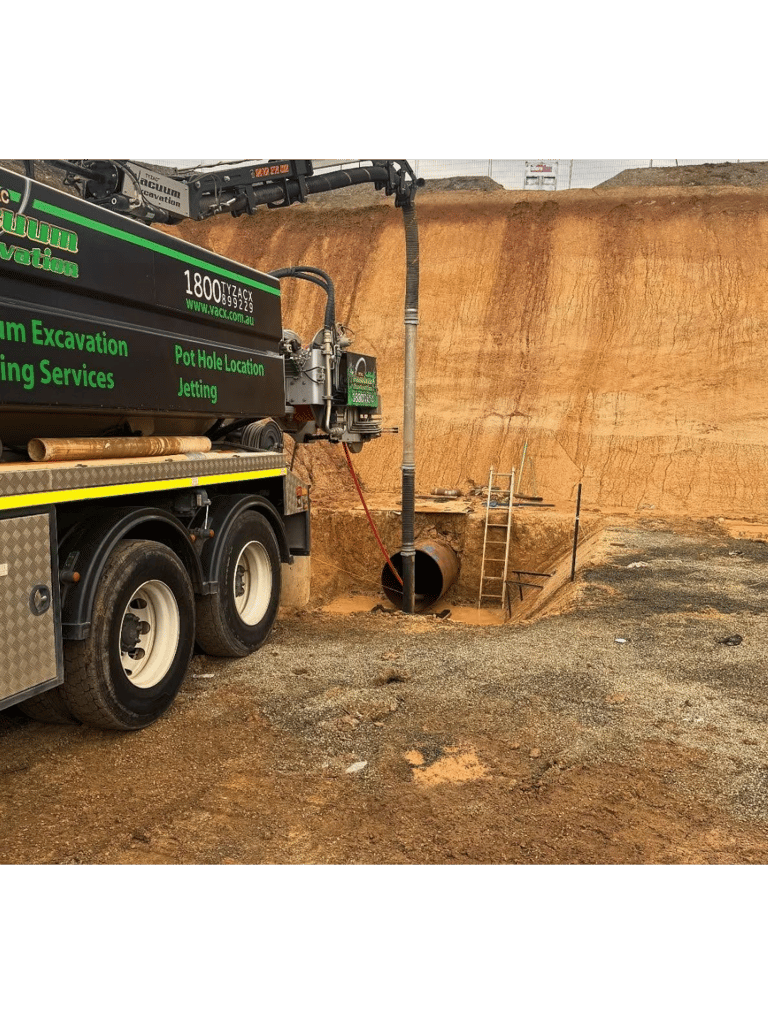
Vacuum Excavators are a growing requirement on urban industrial and data centre construction sites, where underground utilities — power cables, fibre optic lines, water mains, and telecommunications conduits — must be exposed without the risk of damage from mechanical digging. In Greater Jakarta, where underground infrastructure density is high and the consequences of a severed power cable or data line are severe, vacuum excavators are transitioning from a specialist tool to a standard site requirement.
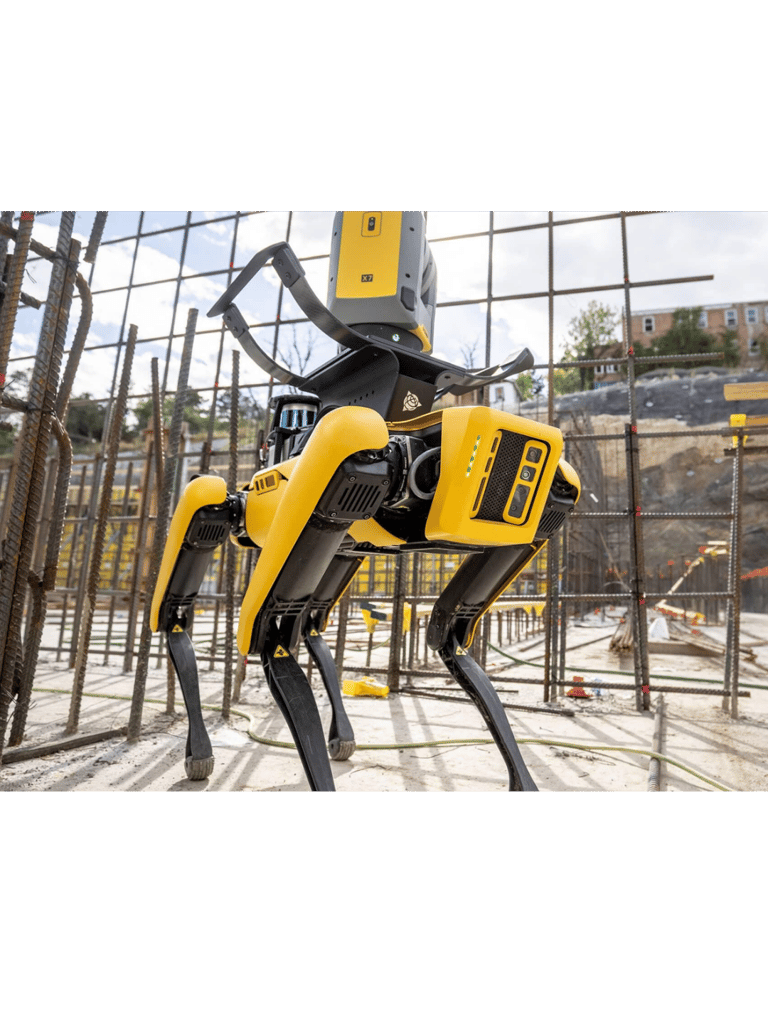
Autonomous Construction Robots remain in the early adoption phase in Indonesia, but the foundation for their growth is being laid today. Several large data centre developers and industrial estate operators are piloting autonomous or semi-autonomous construction equipment — robotic total stations, automated concrete screeding machines, and AI-guided compaction rollers — on their Indonesian projects, transferring technology and operational practice from more advanced markets. While the numbers are currently small, the trajectory is clear: as project complexity increases and skilled labour shortages persist, automation adoption will accelerate.
Current positive market drivers
The industrial and energy construction equipment market in Indonesia is being driven by four converging forces that are unlikely to reverse within the current decade. First, the global AI and cloud computing boom is directing hyperscale data centre investment to Southeast Asia at unprecedented scale, and Indonesia — with its large domestic internet market, improving grid infrastructure, and competitive land costs — is capturing a disproportionate share. Second, the global energy transition is making Indonesia's nickel reserves and geothermal potential strategically valuable, requiring new industrial infrastructure to convert raw resources into refined products for battery supply chains. Third, the government's RPJMN 2024–2029 investment framework and the work of BPI Danantara are channelling public capital into industrial and energy projects at a rate that provides a stable demand floor independent of private investment cycles. Fourth, Indonesia's Carbon Neutrality 2060 commitment and the ESG requirements of its international investment partners are systematically shifting construction equipment specifications toward cleaner, smarter, and more connected machines.
For equipment manufacturers and distributors, the industrial and energy segment offers a profile of demand that is structurally different from infrastructure and mining: smaller average unit volumes, higher technical specifications, faster technology cycles, and customers who increasingly value total cost of ownership and emissions performance alongside purchase price. Companies that can offer electric and hybrid products, digital fleet management, low-emission operation, and responsive local service networks are best positioned to win and retain business in this segment as it grows from Indonesia's most dynamic construction niche into one of its most important mainstream markets.
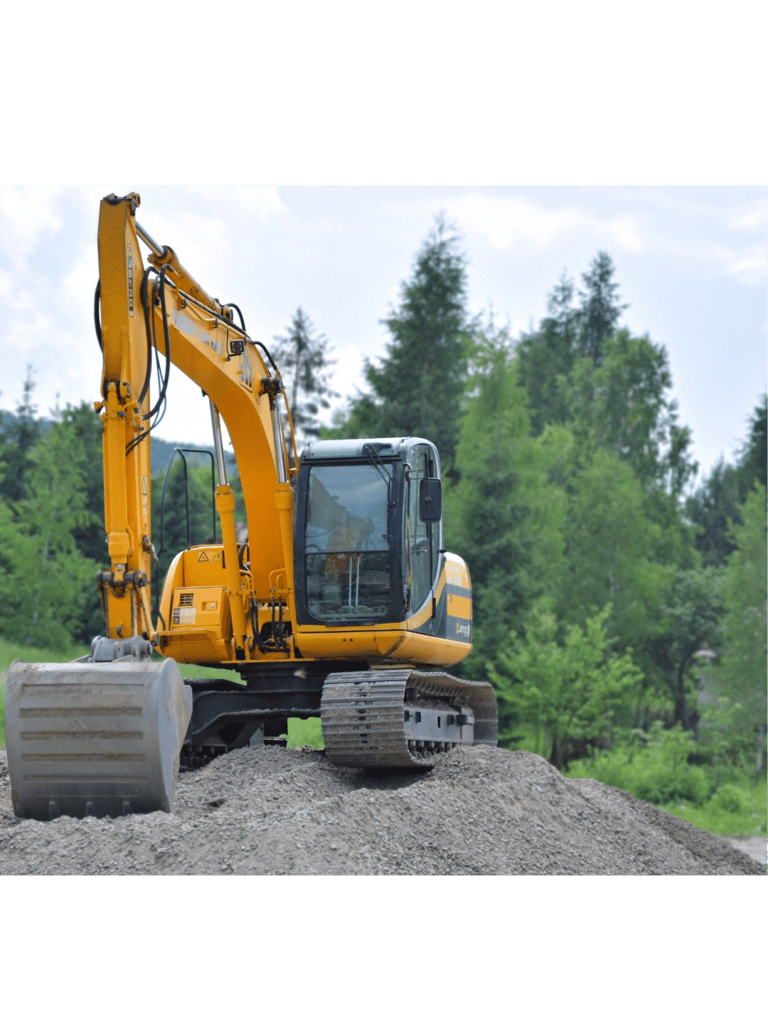
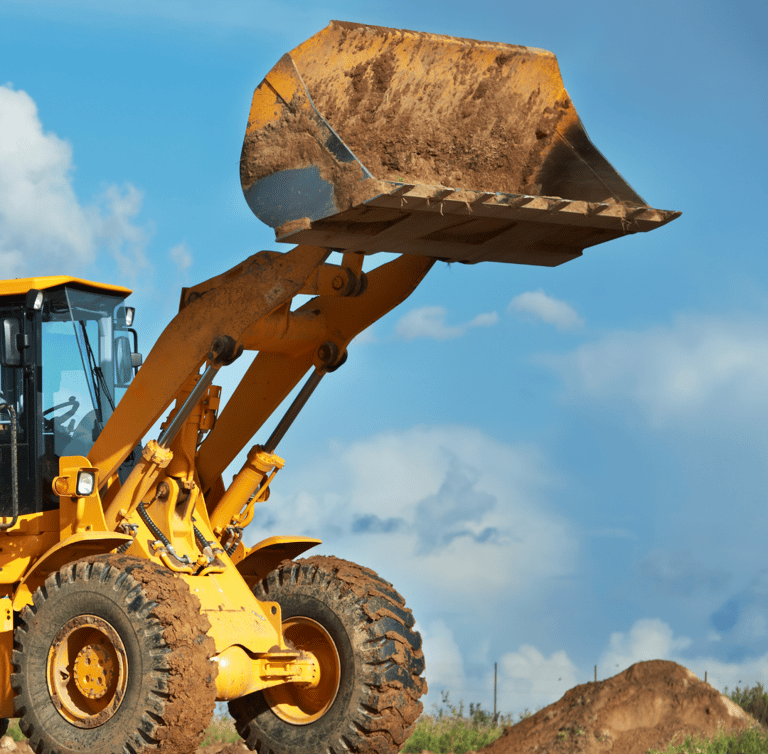
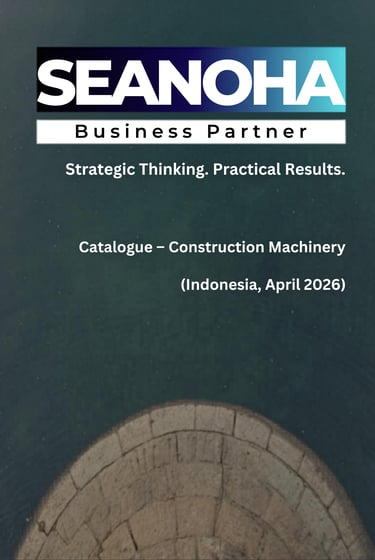
We are currently finalizing our Construction Machinery Catalogue Indonesia 2026, a carefully curated collection of high-potential equipment tailored to the Indonesian construction market.
This catalogue will be presented both online and offline to a selected network of professional dealers, contractors, construction companies, infrastructure developers, and relevant government authorities. It is designed as a practical decision-making tool that helps buyers quickly identify the right equipment for earthmoving, road construction, building projects, and material handling.
We offer attractive slot placements as well as package discounts for bundled product offerings.
The catalogue is currently being compiled and will be fully available offline after the upcoming industry exhibitions in Southeast Asia (early June 2026). The next edition is scheduled for December 2026, aligned with major government and private sector procurement cycles. Going forward, the catalogue will be published three times per year to stay aligned with project timelines and tender cycles.
Would you like to secure a slot or receive the catalogue as soon as it is released?
Contact us — we would be pleased to offer you the version that best fits your needs (full catalogue access, selected product packages, or dealer cooperation opportunities).
Discover more through this link.
Company
© 2026. All rights reserved.
Strategic Thinking. Practical Results.
Resources
Contact
Denpasar, Bali, Indonesia






PT. SEANOHA BUSINESS PARTNER
Registered in Indonesia
Business Registration (NIB): 1905260020924