
10 Construction Machines Almost Non-Existent in Indonesia – But With Massive Potential
Indonesia's construction machinery market is growing at speed – but some of the biggest opportunities lie in what's still missing. Here are the 10 "white spot" machines that could reshape the industry by 2030.
CONSTRUCTION MACHINERY
Agatha Nova Damayanti
5/6/20267 min read
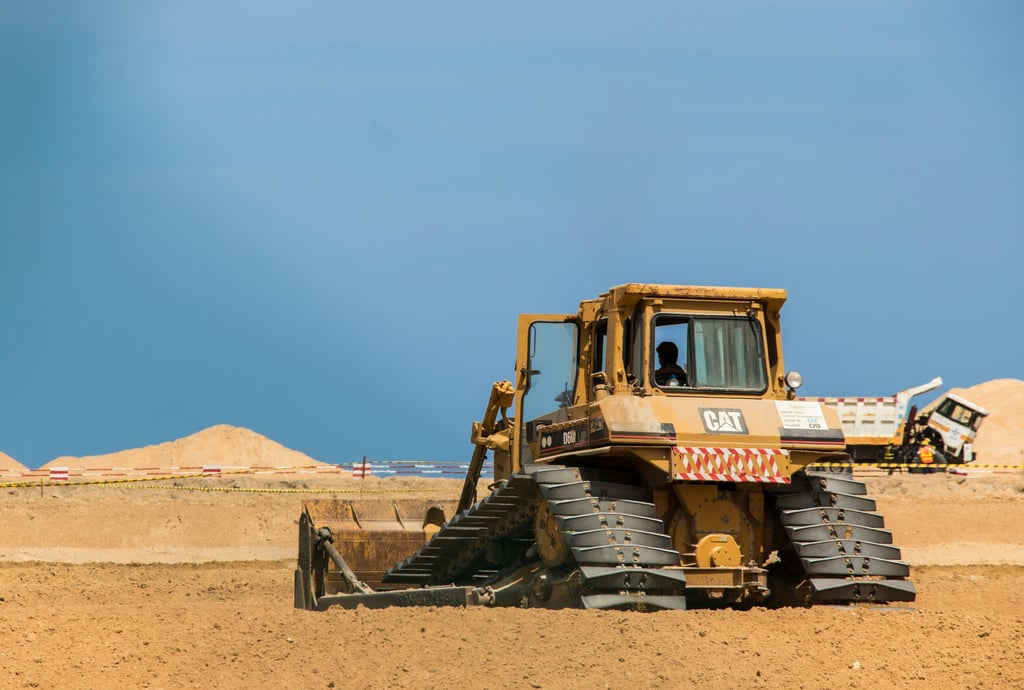
Indonesia is building at a scale unseen in its history. The new capital Nusantara, a $40 billion+ MRT expansion, thousands of kilometres of toll roads, deepwater ports, and coastal reclamation projects are all running in parallel. Yet the machinery fleet on most Indonesian job sites would look familiar to a contractor from 1995.
The gap between what's needed and what's available is not just a logistical challenge – it's a commercial opportunity. Below, we identify the 10 construction machines that are almost non-existent in Indonesia today, yet are poised for explosive demand over the next five years. Early movers have a decisive window to act.
Coastal & River Works
1. Amphibious Excavators
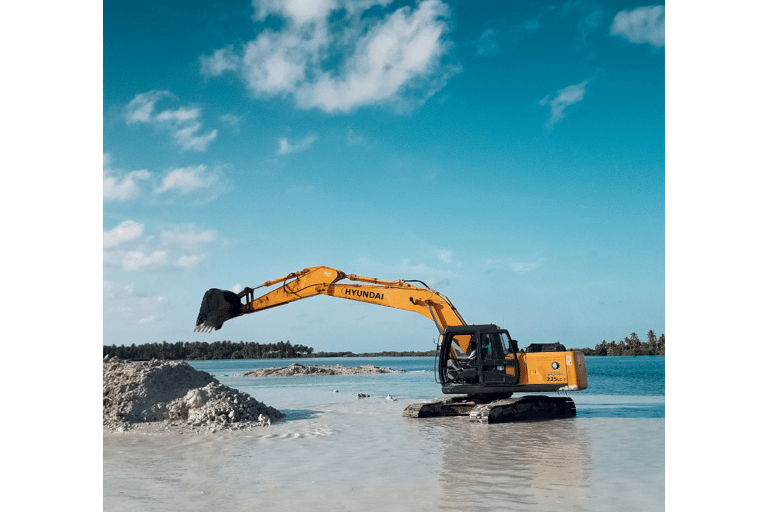
Indonesia is an archipelago of over 17,000 islands, with vast stretches of coastline, tidal zones, mangrove belts, and river deltas in constant need of dredging, flood management, and infrastructure construction. Yet amphibious excavators – machines capable of operating both on land and in shallow water – are virtually absent from the local fleet.
The demand drivers are overwhelming: the government's coastal reclamation agenda, port expansions at Patimban and Benoa, and national mangrove restoration programs (over 600,000 hectares targeted) all require equipment that can operate where standard excavators simply cannot go. Foreign contractors currently dominate these niches using imported equipment. A localised supply chain for amphibious machines would be transformative.
Scarcity Score: 98%
Growth Potential: Very High
Key Driver: 17,000+ islands
Urban Transit
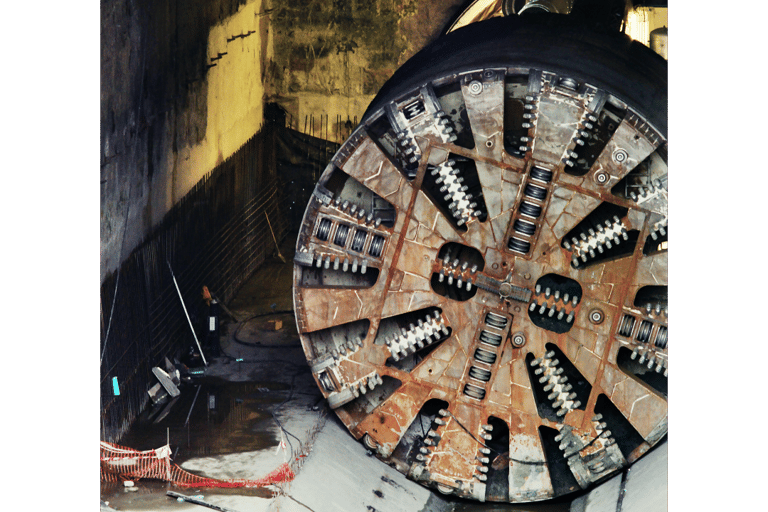
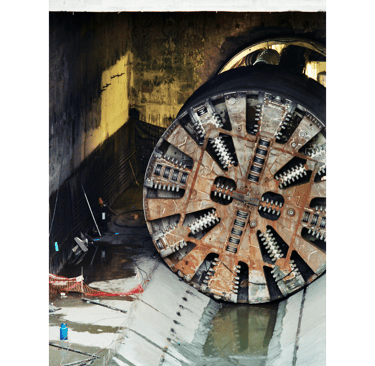
2. Tunnel Boring Machines (Small TBM)
Jakarta's MRT Phase 3 is underway. Bandung and Surabaya are planning underground metro lines. Utility tunnels for data cables, water and gas mains are being specified across every major Indonesian city. And yet, the country has almost zero domestic capacity for Tunnel Boring Machine (TBM) operation and maintenance.
Every TBM currently used in Indonesia has been imported and operated by foreign consortia – primarily from China, Japan, and Europe. The opportunity lies in smaller-diameter TBMs (3–6m) suitable for utility tunnelling and urban mass-transit crossings, paired with local operator training. The pipeline of underground infrastructure projects through 2030 makes this one of the safest long-term bets in the sector.
Scarcity Score: 95%
Growth Potential: Very High
Key Driver: MRT & Metro Boom
Frontier Technology
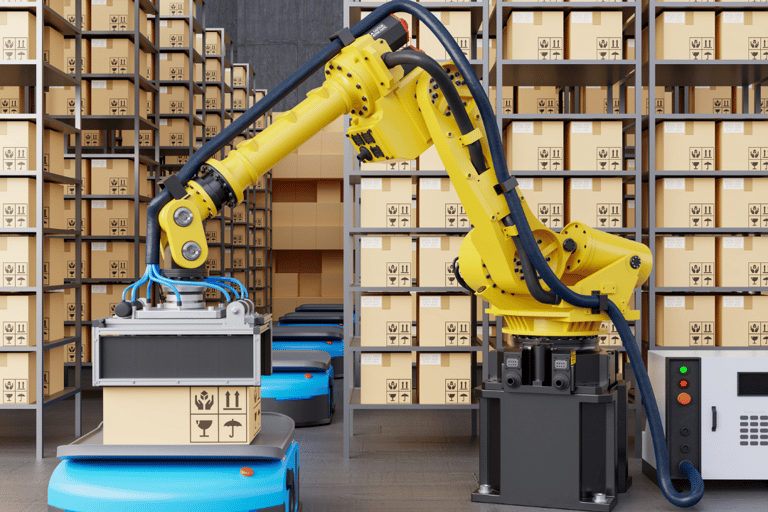
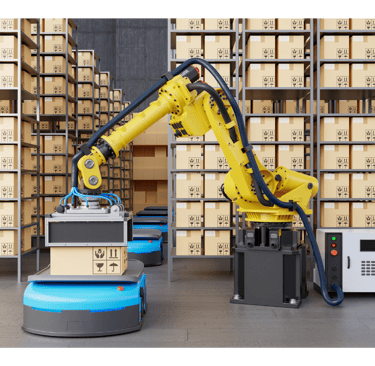
3. Autonomous Construction Robots
The new capital Nusantara (IKN) is not just a construction project – it is a national statement about what Indonesia intends to become. The government has explicitly embedded "Smart Construction" and "Smart City" technology requirements into the IKN masterplan. Robotic construction systems for bricklaying, concrete pouring, rebar tying, and site logistics are exactly what this mandate is calling for.
Globally, autonomous construction robots are still at the early commercial stage. In Indonesia, they are essentially non-existent. This is precisely why a first-mover advantage is available right now. Companies that establish demonstration projects at IKN or in the Batam free trade zone will be positioned to capture the wave of demand as the technology matures through 2028–2030.
Scarcity Score: 97%
Growth Potential: High
Key Driver: IKN Nusantara
Infrastructure Push
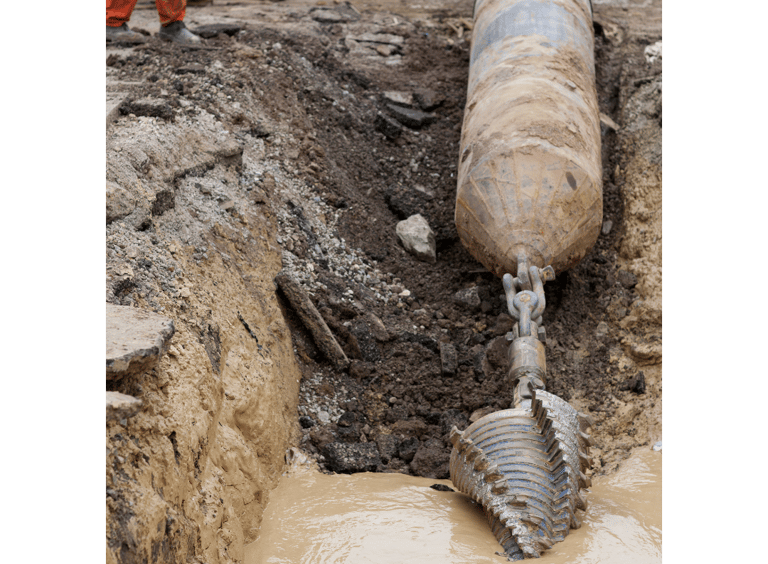
4. Horizontal Directional Drilling Rigs
Indonesia has committed to nationwide broadband coverage, expansion of natural gas distribution, and water supply upgrades in 500+ cities by 2030. All of this requires underground utility installation at scale – and HDD rigs are the most efficient technology to do it without tearing up urban roads and pavements.
Currently, HDD machines are concentrated in a handful of large infrastructure contractors. The vast majority of utility trenching in Indonesia still uses open-cut methods, resulting in prolonged road closures, traffic chaos, and higher long-term costs. The regulatory push toward trenchless technology is gaining momentum, and HDD rig operators with proven track records will face a seller's market for at least the next five years.
Scarcity Score: 88%
Growth Potential: Very High
Key Driver: National Broadband
Urban Works
5. Vacuum Excavators
In the dense underground infrastructure of Jakarta, Surabaya, and Bandung – a tangle of water mains, sewage pipes, telecom ducts, gas lines, and power cables built up over decades – conventional excavation with a bucket is both dangerous and imprecise. A single misplaced bucket tooth can rupture a gas line or sever a fibre optic network serving hundreds of thousands of users.
Vacuum excavators (hydrovac units) solve this problem by using pressurised water and suction to expose buried utilities safely. They are standard equipment in European and Australian cities. In Indonesia, they are almost entirely absent. As urban renewal programs accelerate and underground infrastructure densifies, demand for hydrovac equipment will follow as a structural necessity.
Scarcity Score: 92%
Growth Potential: High
Key Driver: Urban Utility Density
Frontier Technology
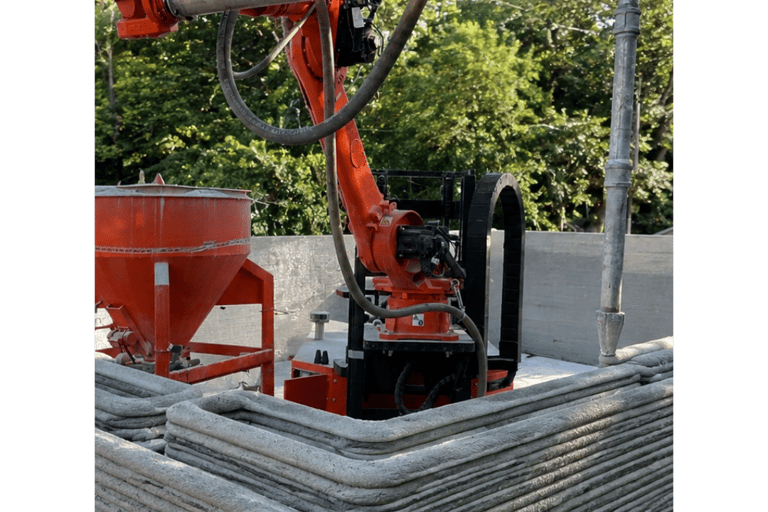
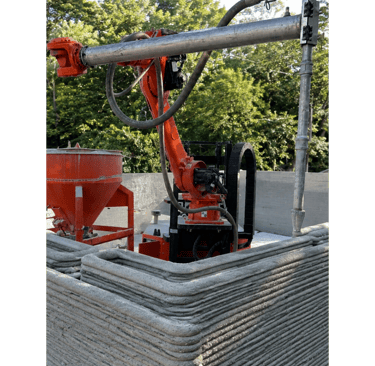
6. 3D Concrete Printers
Indonesia has set a target of building one million affordable housing units per year to address its chronic housing deficit. Traditional construction methods – labour-intensive, slow, and costly in remote areas – cannot sustainably reach this scale. 3D concrete printing technology, which can produce a habitable structure shell in under 48 hours, is a direct answer to this challenge.
Several international pilots have demonstrated cost reductions of 30–50% for low-rise residential buildings. Indonesia's combination of housing demand pressure, IKN's modular construction requirements, and remote island logistics (where shipping prefab is expensive) makes it one of the most compelling global markets for this technology – yet virtually no 3D concrete printers are currently operating in the country.
Scarcity Score: 96%
Growth Potential: High
Key Driver: 1M homes/year target
Green Transition Urban Works
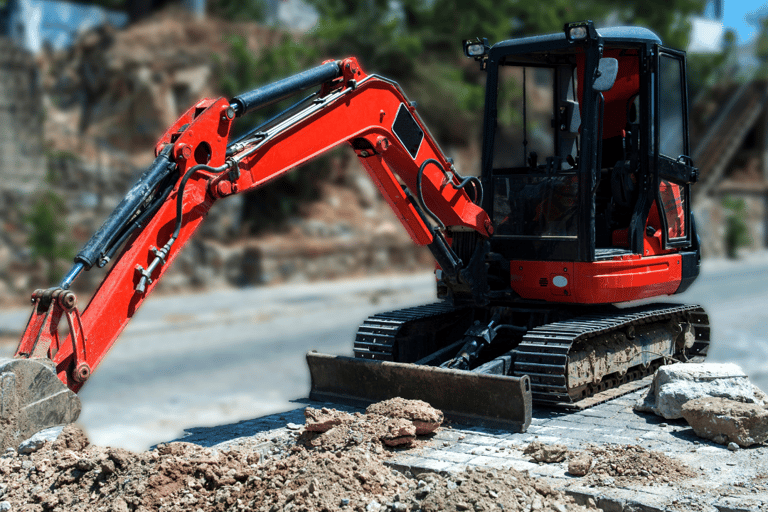
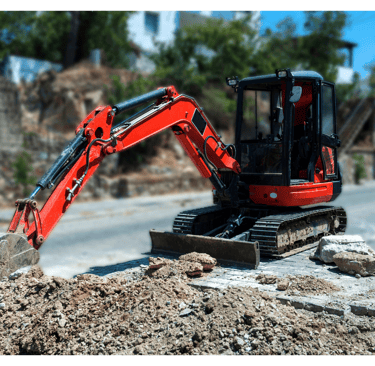
7. Battery-Powered Mini Excavators
Indonesia's urban construction sector faces growing pressure from municipal governments to reduce emissions and noise in city centres. Jakarta's air quality crisis has made zero-emission construction equipment politically attractive, and several ASEAN cities are beginning to mandate emissions limits for construction sites operating near schools, hospitals, and residential zones.
Battery-powered mini excavators (1–6 tonne class) are ideal for urban utility work, interior demolition, and landscaping in confined or noise-sensitive areas. The technology has matured rapidly in Europe and Japan. In Indonesia, electric construction machinery is essentially at zero adoption – making this a category with clear regulatory tailwinds and an open playing field for the right distributor.
Scarcity Score: 90%
Growth Potential: High
Key Driver: Urban Emission Rules
Coastal & Port
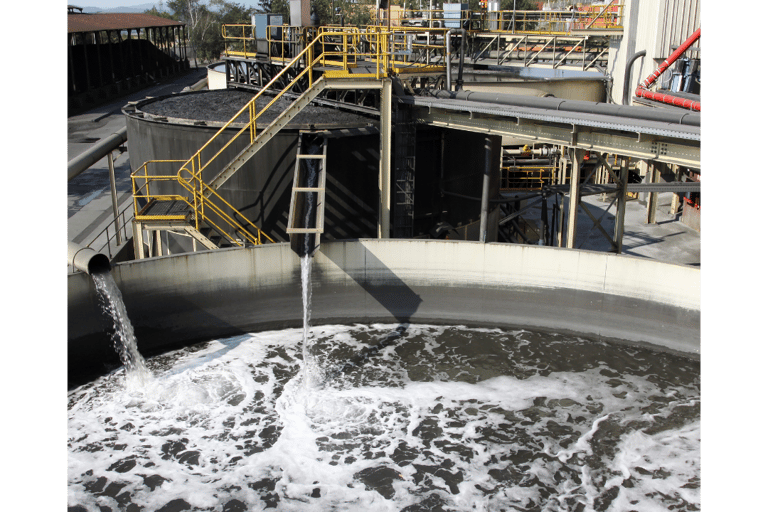
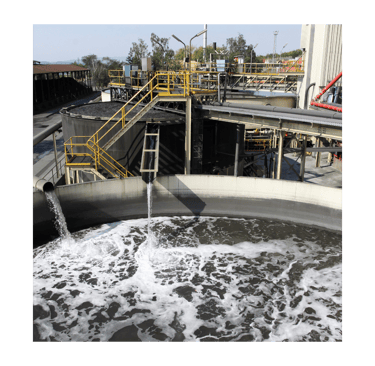
8. Sludge Treatment Units
Indonesia's port expansion programme – covering Patimban, Makassar New Port, Kuala Tanjung, and dozens of smaller regional harbours – involves extensive dredging operations that generate enormous volumes of sludge and contaminated slurry. Managing this material efficiently is both an environmental obligation and a logistical challenge that most contractors currently handle poorly.
Sludge treatment units (dewatering and separation systems) allow dredged material to be classified, cleaned, and in many cases reused as fill material, dramatically reducing disposal costs and environmental risk. The combination of Indonesia's port-building agenda, its coastal reclamation projects, and increasingly strict environmental enforcement creates a compelling market. This equipment category is currently almost entirely absent from the local market.
Scarcity Score: 85%
Growth Potentia: High
Key Driver: Port Expansion Wave
Ground Engineering
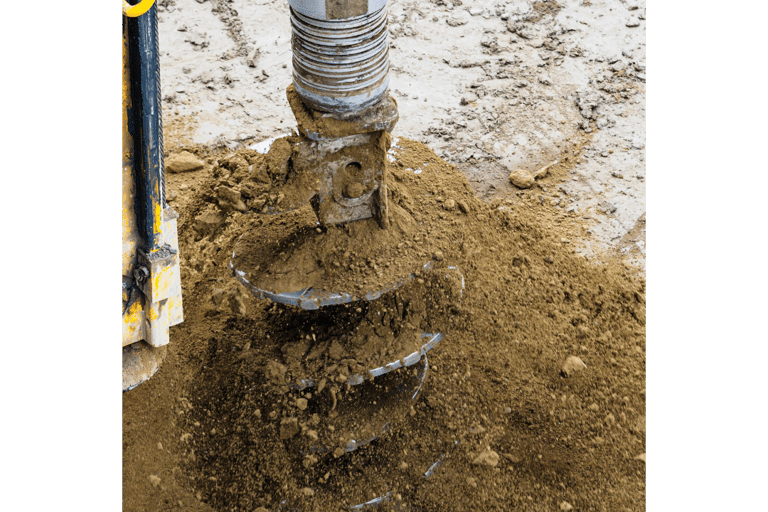
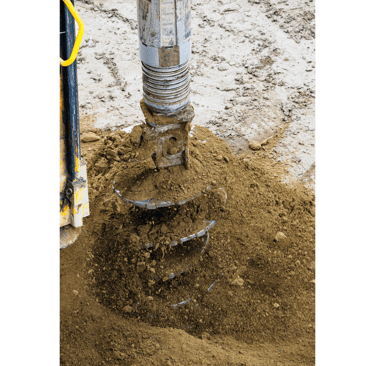
9. Jet Grouting / Soil Improvement Machines
Much of Indonesia's coastline – from Jakarta Bay to the north coast of Java – sits on soft alluvial or marine clay soils with poor bearing capacity. This is one of the most expensive and persistent challenges in Indonesian construction, responsible for significant cost overruns and structural failures in roads, bridges, and buildings alike.
Jet grouting and deep soil mixing machines inject cementitious grout under high pressure to create a reinforced soil matrix, dramatically improving bearing capacity without excavation. These techniques are standard on major European and East Asian infrastructure projects. In Indonesia, they remain a niche specialty used only by a handful of geotechnical contractors. As infrastructure moves into more challenging terrain – including along the Trans-Sumatra and Trans-Kalimantan corridors – demand will grow substantially.
Scarcity Score: 82%
Growth Potential: High
Key Driver: Soft Soil Challenges
Smart City TechDigital Infrastructure
10. Smart Light Towers with IoT Sensors
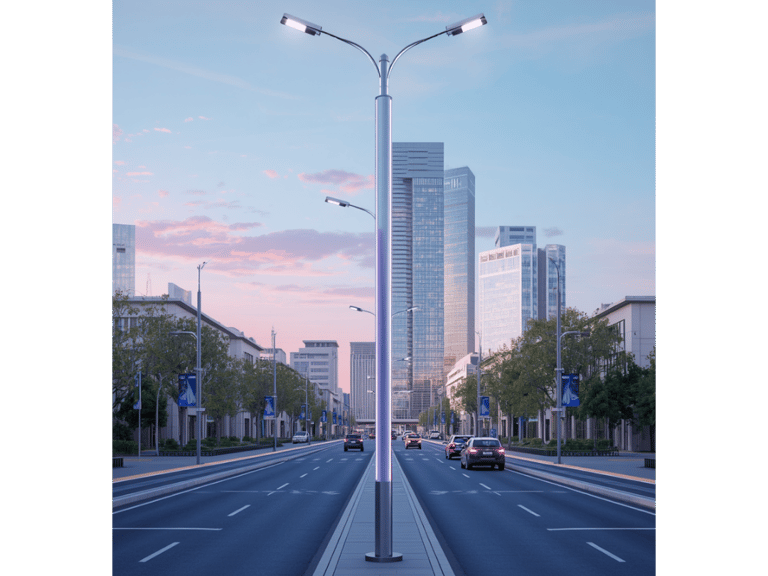
IKN Nusantara's official vision includes integrated smart infrastructure from day one: connected street lighting, environmental sensors, traffic monitoring, and real-time construction site data all feeding into a central city management platform. Smart light towers – mobile units with integrated cameras, air quality sensors, noise monitors, and connectivity modules – are the most practical entry point for this ecosystem.
The technology is also finding application on major toll road construction sites, airport projects, and large-scale industrial estates where real-time site monitoring is becoming an expectation from international project owners and insurers. Standard diesel light towers dominate the Indonesian market today. The upgrade cycle to smart IoT-enabled units will accelerate significantly as IKN sets a benchmark and other municipalities follow.
Scarcity Score: 84%
Growth Potential: High
Key Driver: IKN Smart City Vision
The Window Is Open Now
Every machine on this list shares the same characteristic: the demand is structural, not cyclical. These are not trends that can be waited out or addressed with existing equipment. Indonesia's infrastructure ambitions are written into national law, backed by committed capital, and tied to political timelines that extend well beyond the next election cycle.
The companies that establish themselves in these niches between 2025 and 2027 will not simply be early – they will be the reference points against which all subsequent competitors are measured. Dealer networks, service infrastructure, operator training programmes, and government relationships take years to build. The cost of waiting is measured not in months, but in market positions that will be very difficult to recover.
The white spots on Indonesia's construction machinery map are shrinking. The question is who fills them.

We are currently finalizing our Construction Machinery Catalogue Indonesia 2026, a carefully curated collection of high-potential equipment tailored to the Indonesian construction market.
This catalogue will be presented both online and offline to a selected network of professional dealers, contractors, construction companies, infrastructure developers, and relevant government authorities. It is designed as a practical decision-making tool that helps buyers quickly identify the right equipment for earthmoving, road construction, building projects, and material handling.
We offer attractive slot placements as well as package discounts for bundled product offerings.
The catalogue is currently being compiled and will be fully available offline after the upcoming industry exhibitions in Southeast Asia (early June 2026). The next edition is scheduled for December 2026, aligned with major government and private sector procurement cycles. Going forward, the catalogue will be published three times per year to stay aligned with project timelines and tender cycles.
Would you like to secure a slot or receive the catalogue as soon as it is released?
Contact us — we would be pleased to offer you the version that best fits your needs (full catalogue access, selected product packages, or dealer cooperation opportunities).
Discover more through this link.
Company
© 2026. All rights reserved.
Strategic Thinking. Practical Results.
Resources
Contact
Denpasar, Bali, Indonesia






PT. SEANOHA BUSINESS PARTNER
Registered in Indonesia
Business Registration (NIB): 1905260020924